Tarot Card Meanings
Structured, reflective meanings for every card — upright and reversed, across love, career, money, health, spirituality, and shadow work.
A tarot deck is not 78 random fortunes — it is one system with a clear architecture. Once you see the architecture, individual cards stop being trivia to memorize and start being positions in a structure you already understand. That is how this library is meant to be used: not as a dictionary you consult forever, but as a scaffold you eventually stop needing.
All 78 cards
Major Arcana
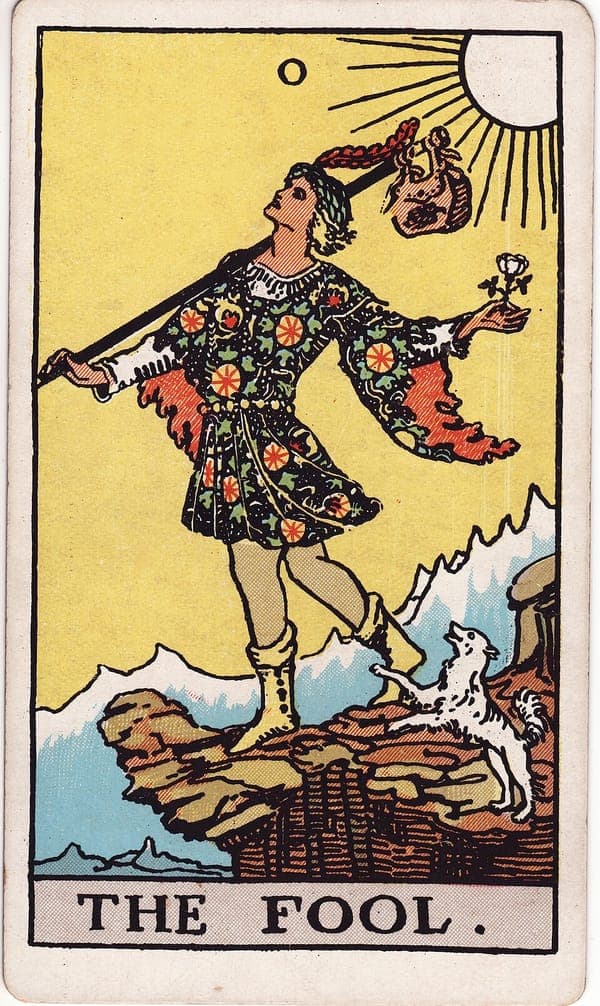
The Fool
new beginnings, spontaneity, innocence
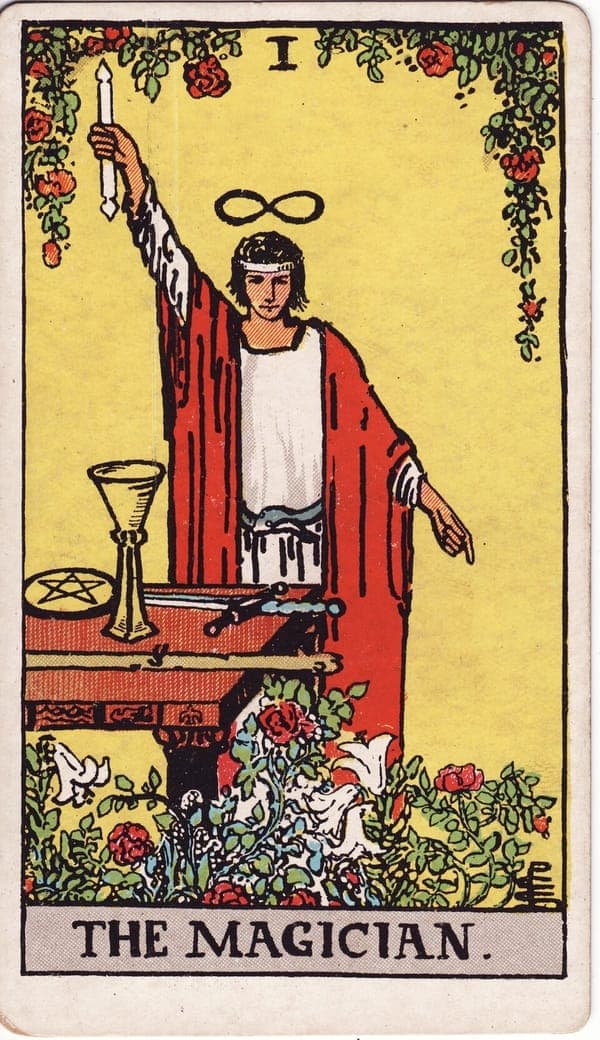
The Magician
manifestation, willpower, resourcefulness
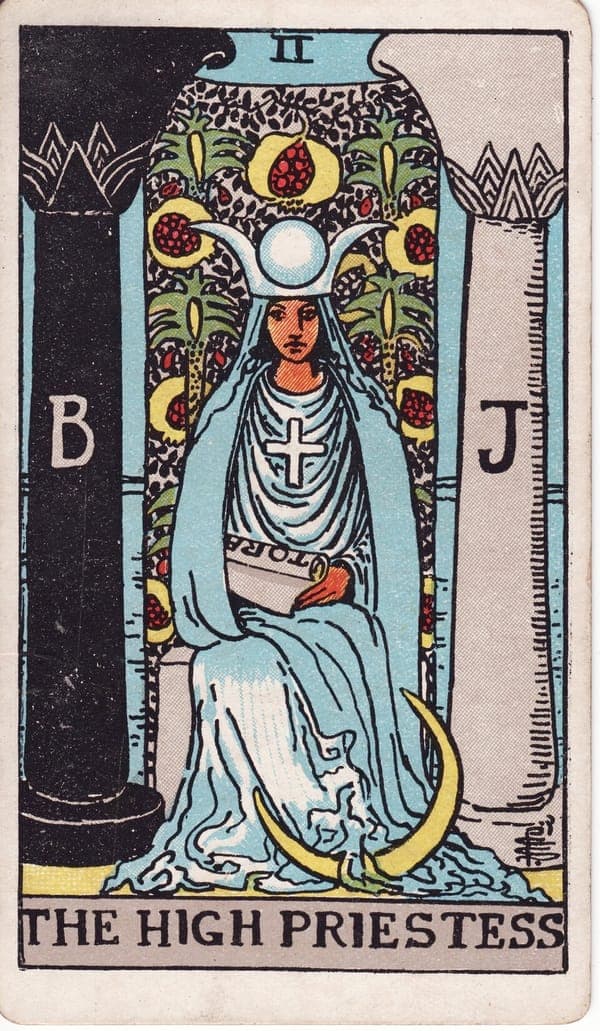
The High Priestess
intuition, inner knowing, the subconscious
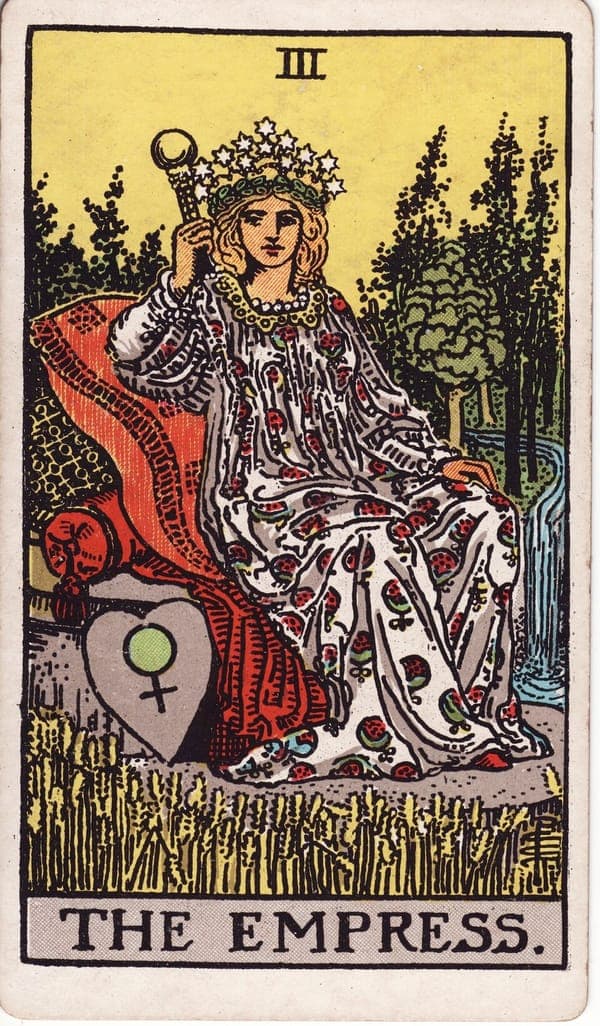
The Empress
abundance, nurturing, creativity
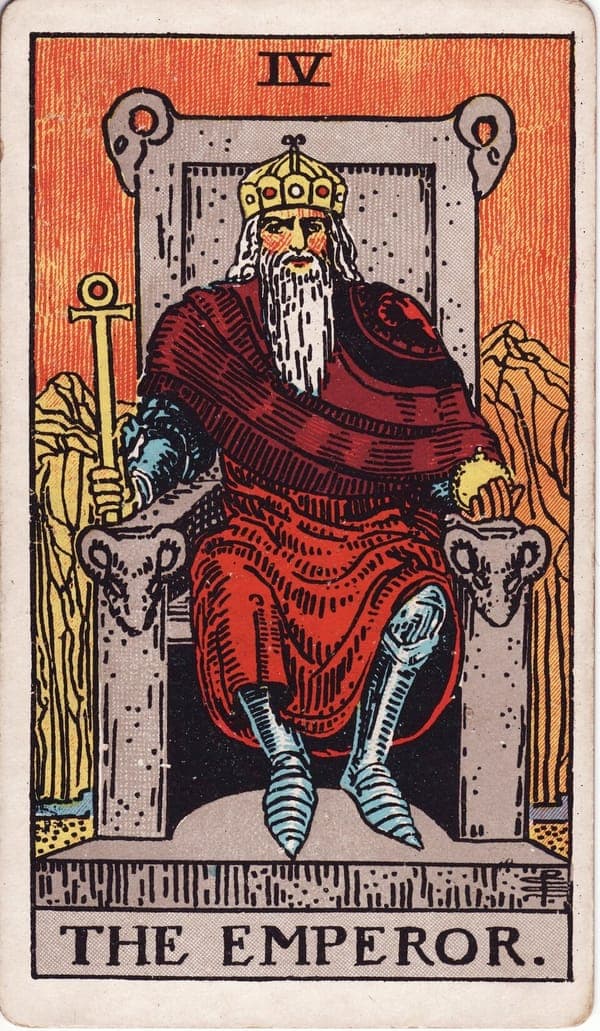
The Emperor
structure, authority, stability
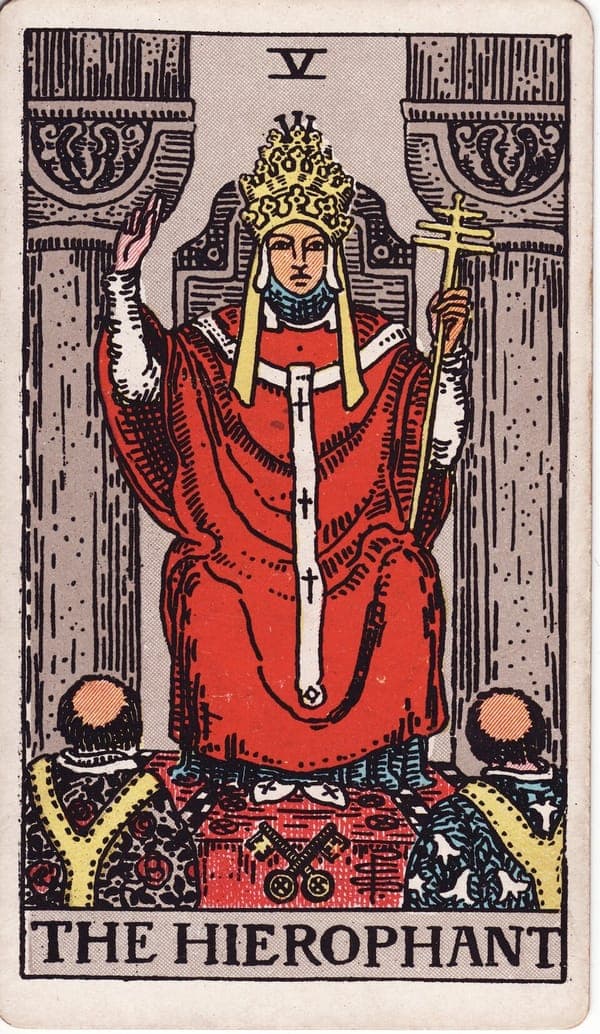
The Hierophant
tradition, teaching, guidance
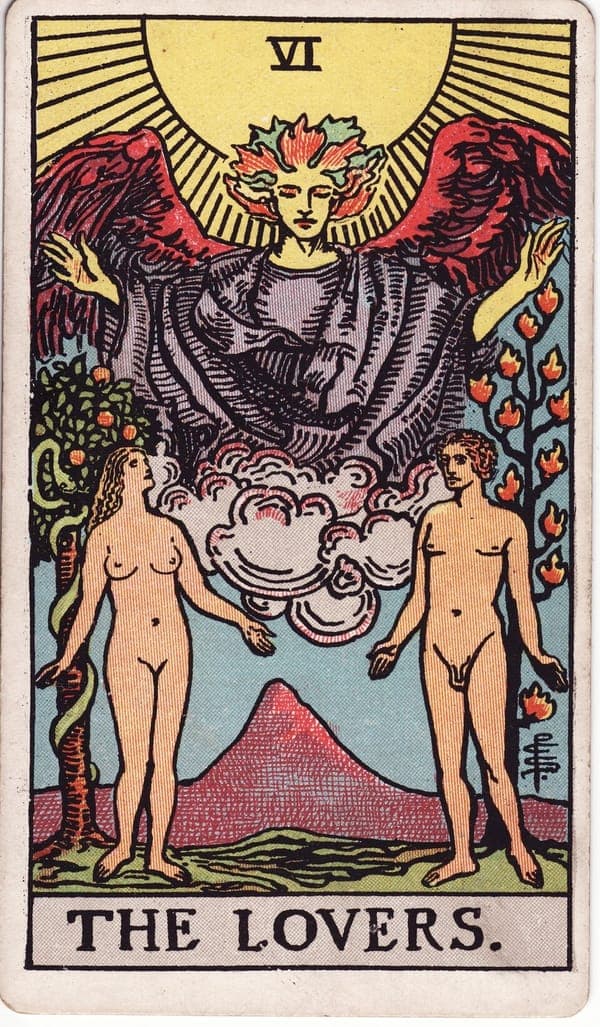
The Lovers
love, union, alignment
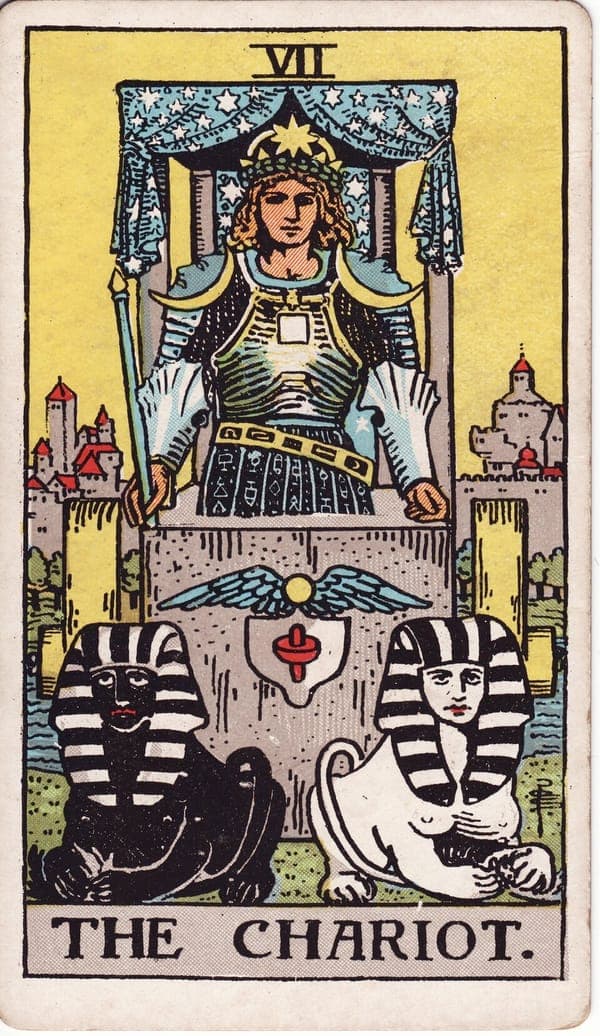
The Chariot
willpower, determination, victory
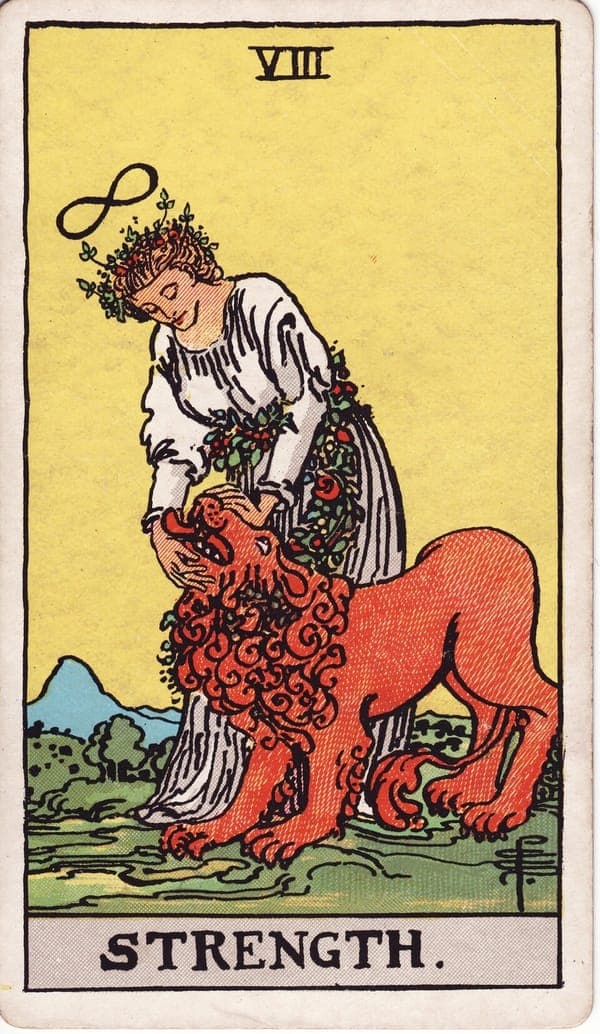
Strength
inner strength, gentle courage, patience
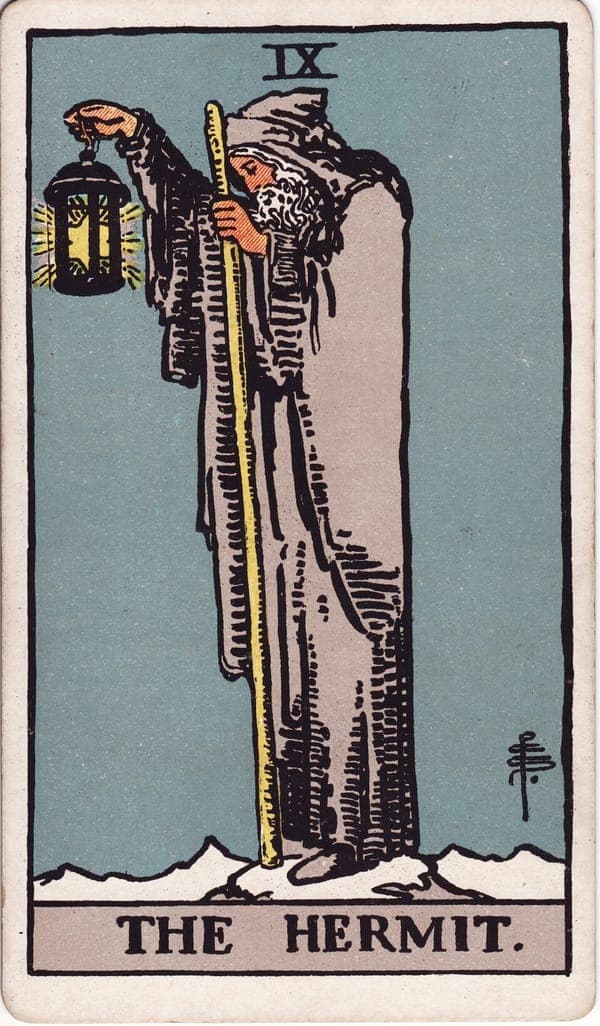
The Hermit
introspection, solitude, inner guidance
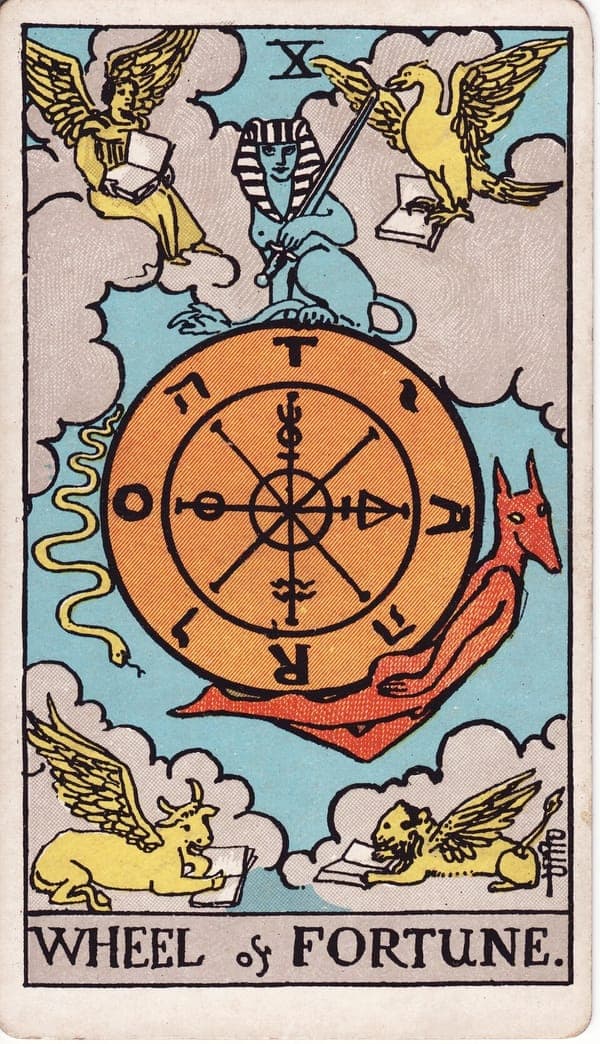
Wheel of Fortune
cycles, turning point, change
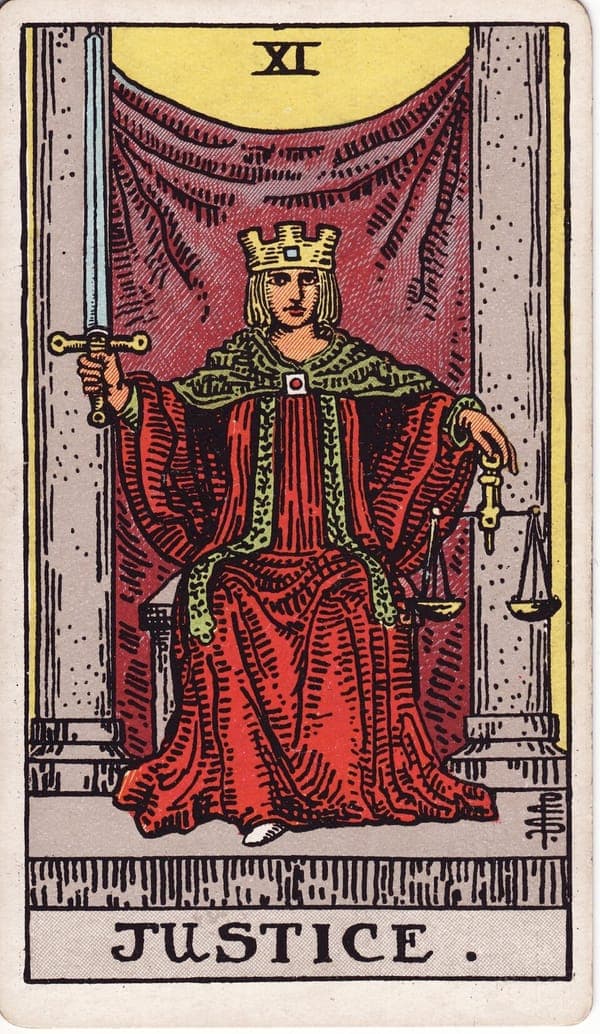
Justice
fairness, truth, accountability
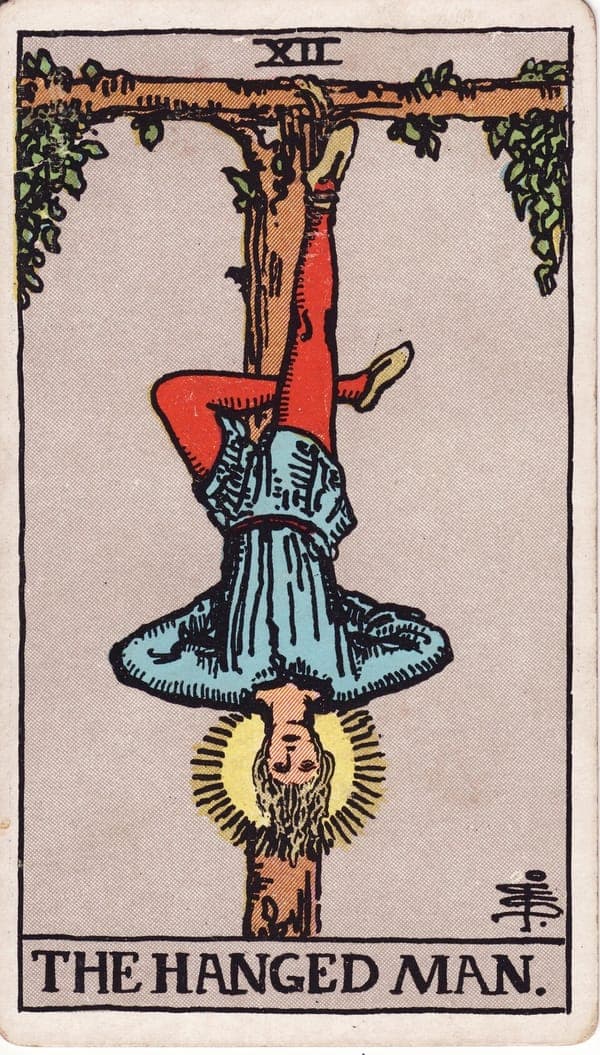
The Hanged Man
surrender, new perspective, pause
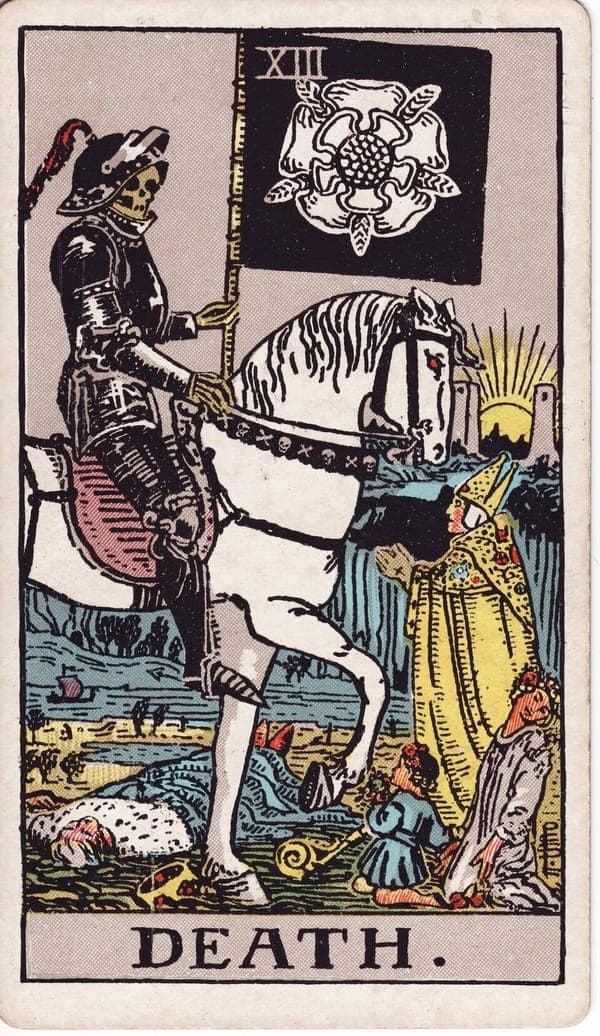
Death
endings, transformation, release
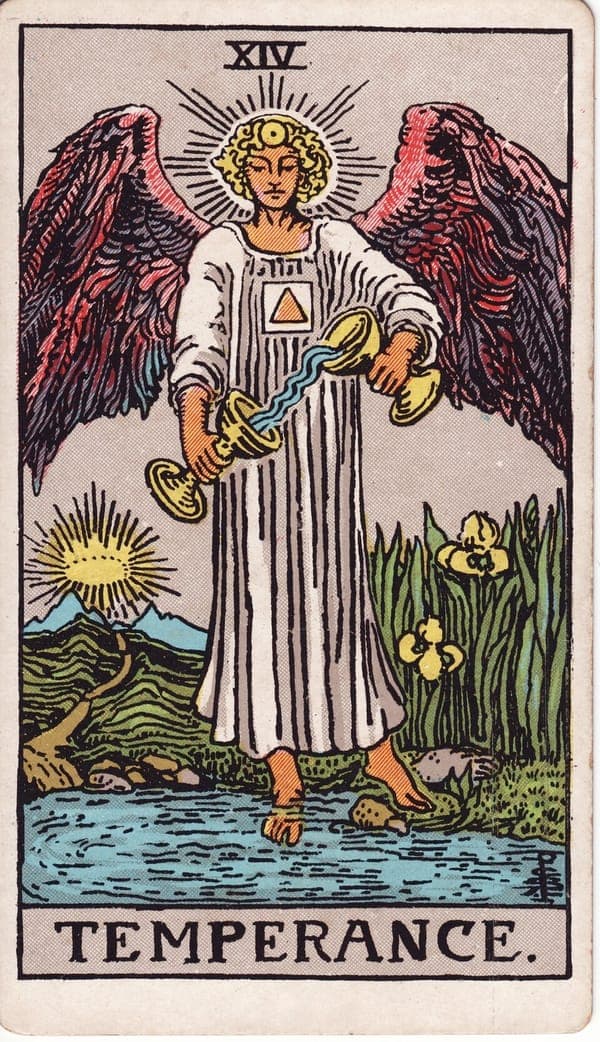
Temperance
balance, moderation, patience
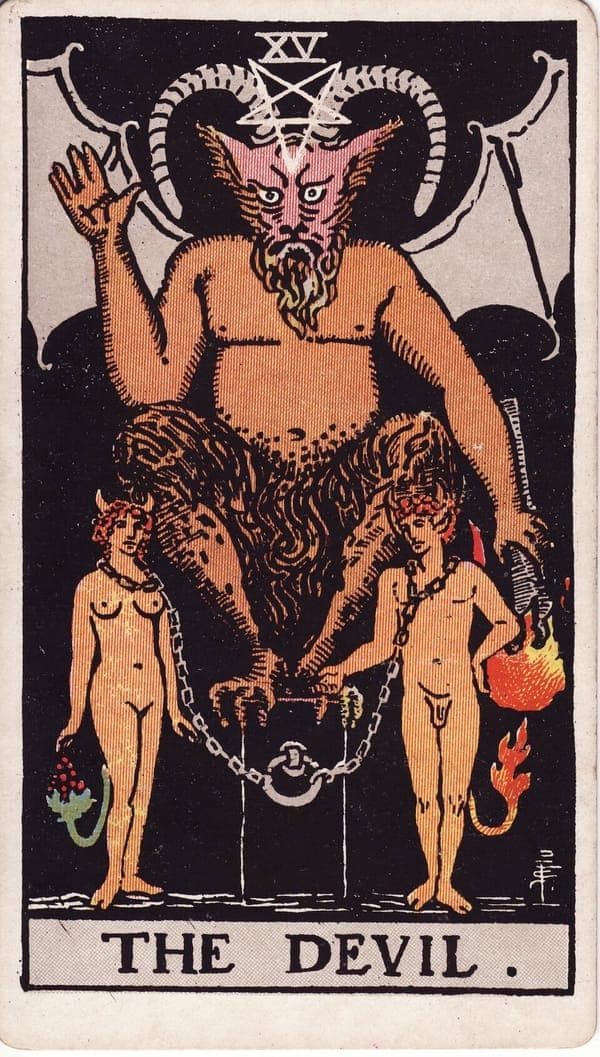
The Devil
attachment, compulsion, shadow patterns
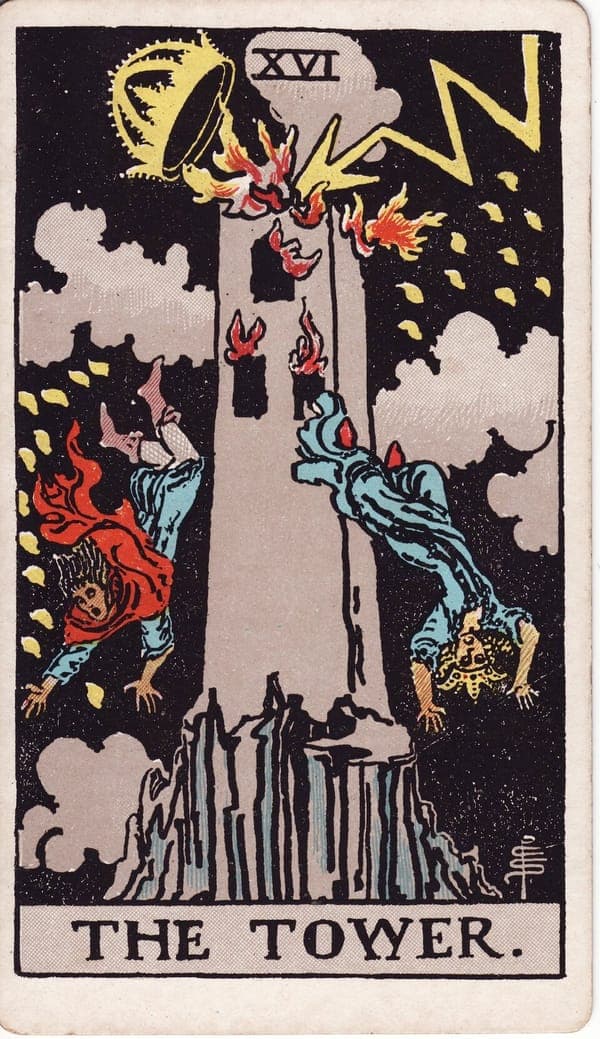
The Tower
sudden upheaval, revelation, collapse of the false
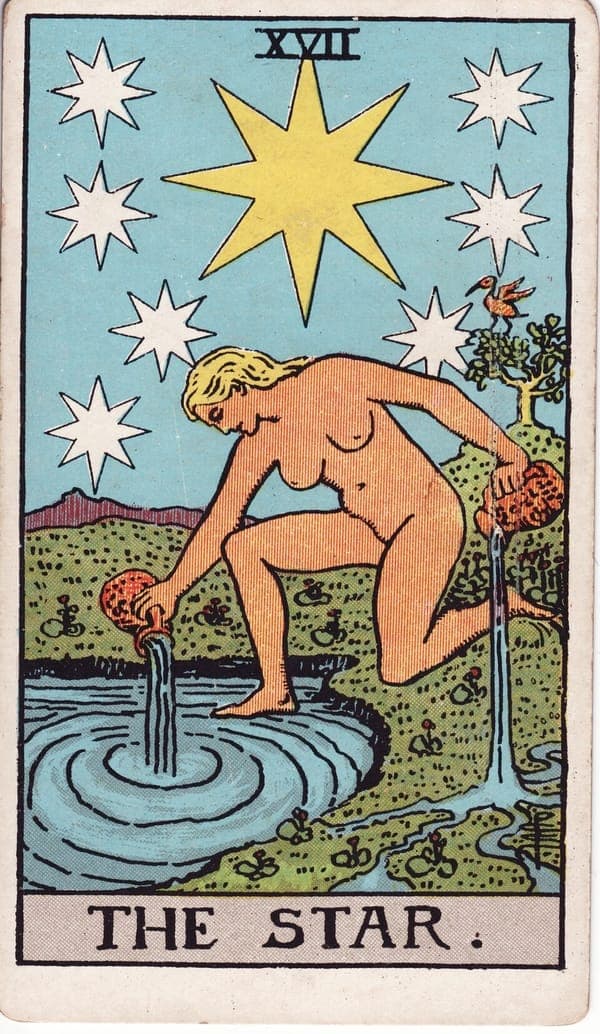
The Star
hope, renewal, healing
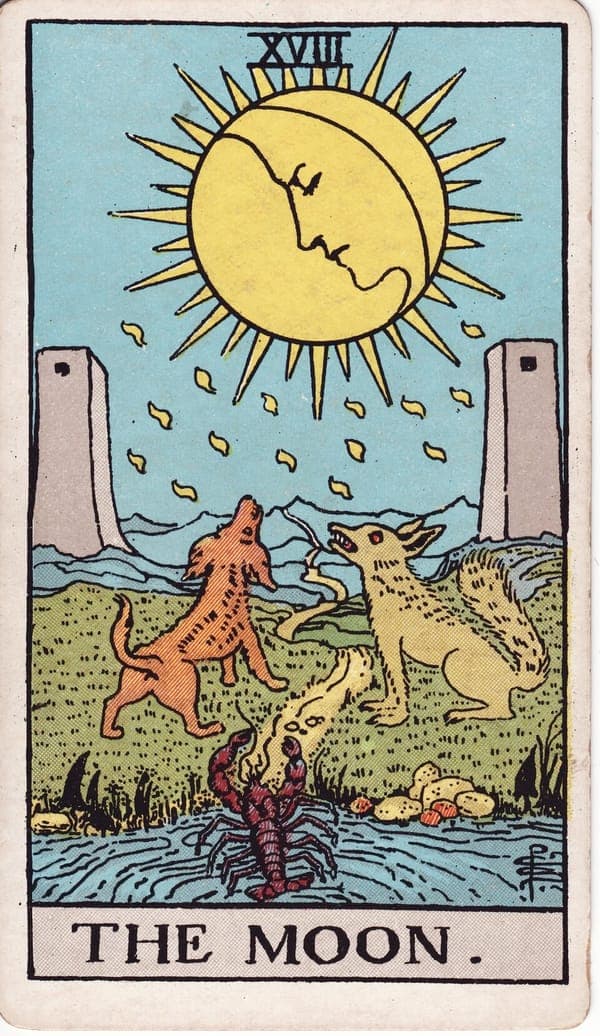
The Moon
illusion, uncertainty, intuition
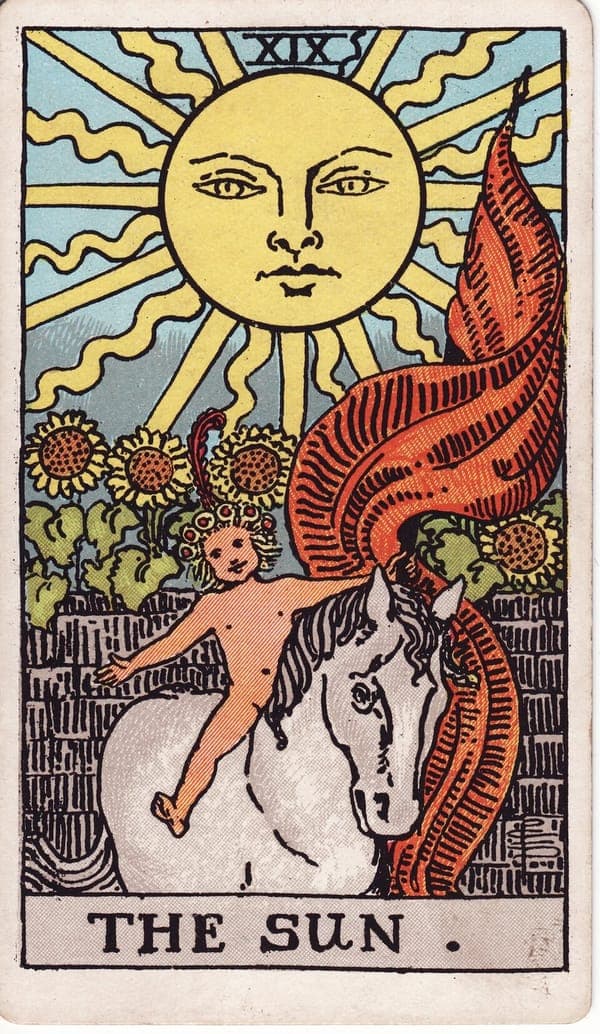
The Sun
joy, vitality, success
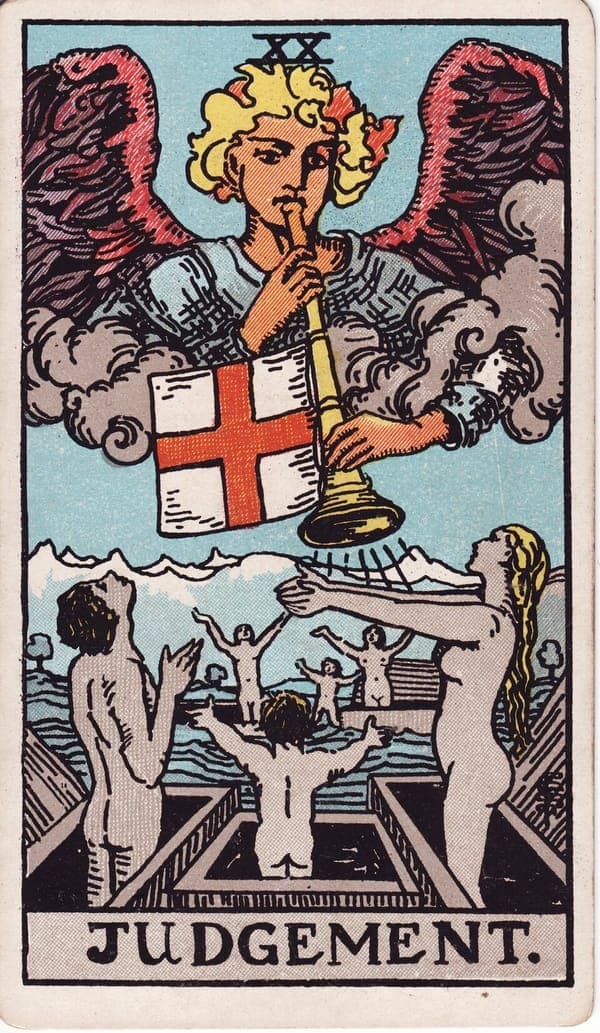
Judgement
awakening, reckoning, inner calling
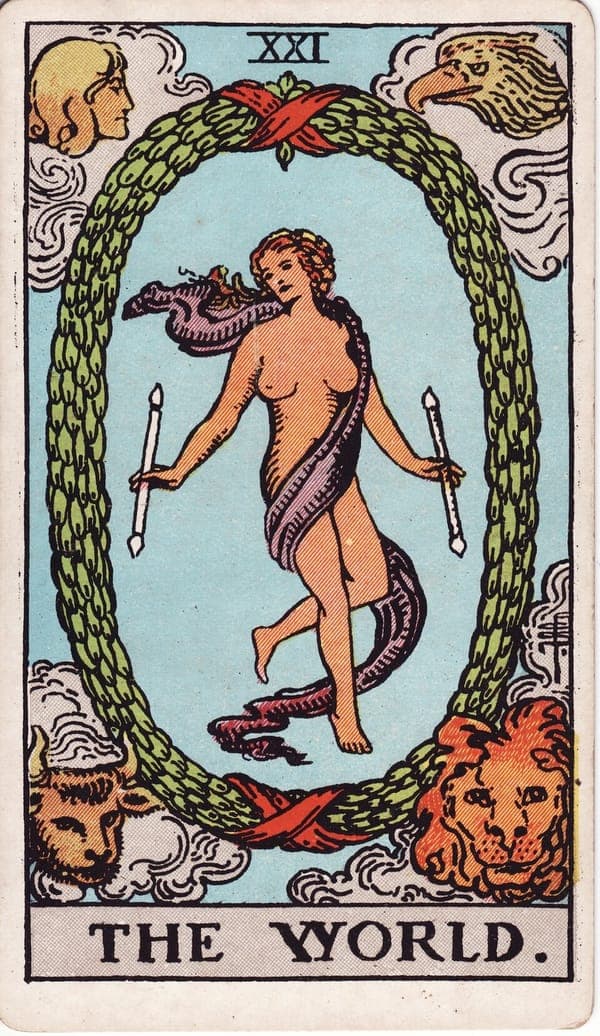
The World
completion, integration, achievement
Minor Arcana
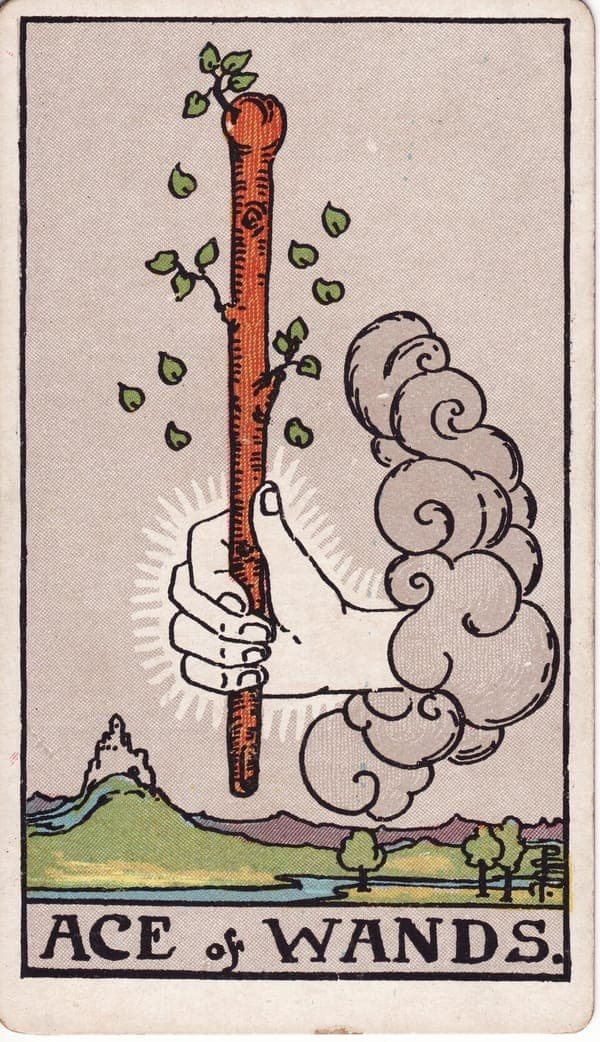
Ace of Wands
inspiration, creative spark, new energy
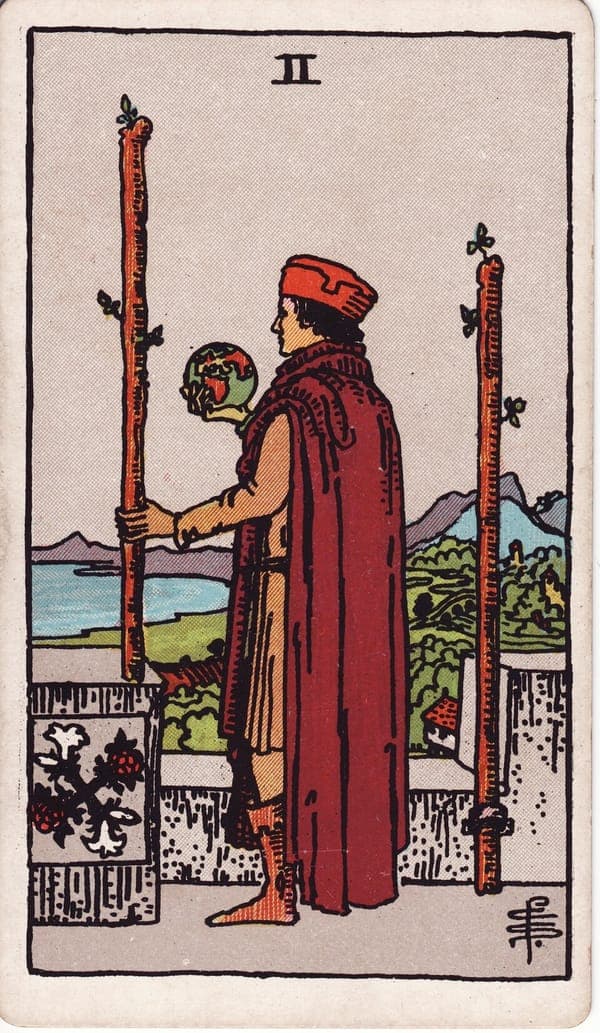
Two of Wands
planning, future vision, personal power
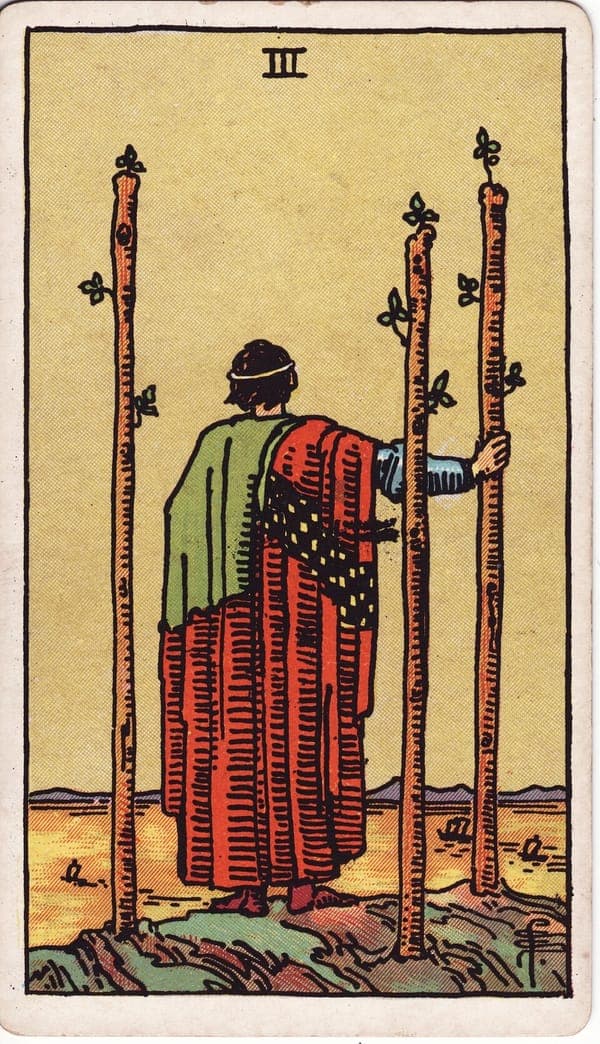
Three of Wands
expansion, foresight, momentum
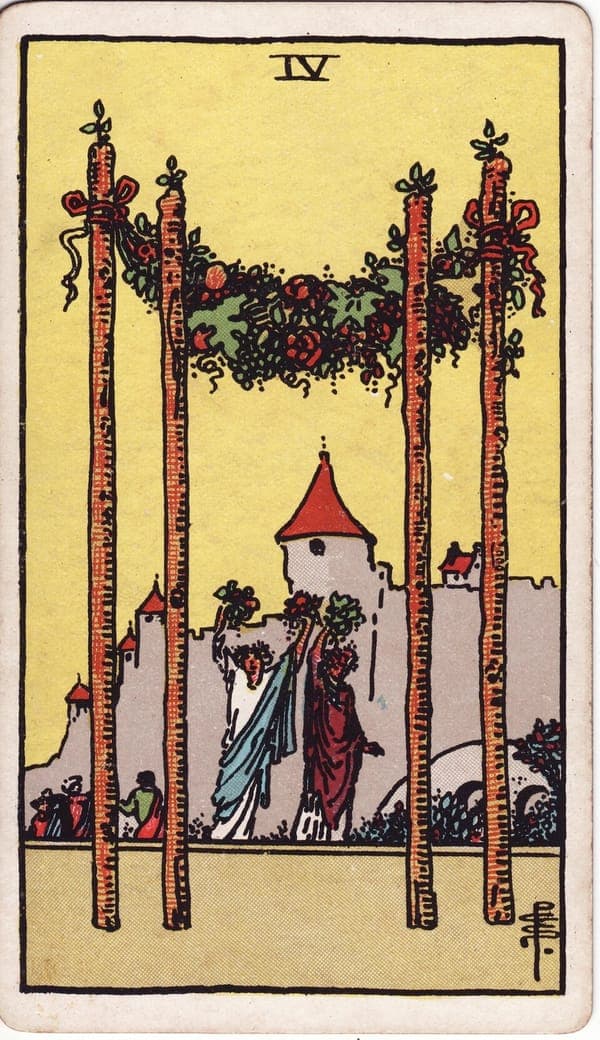
Four of Wands
celebration, homecoming, milestone
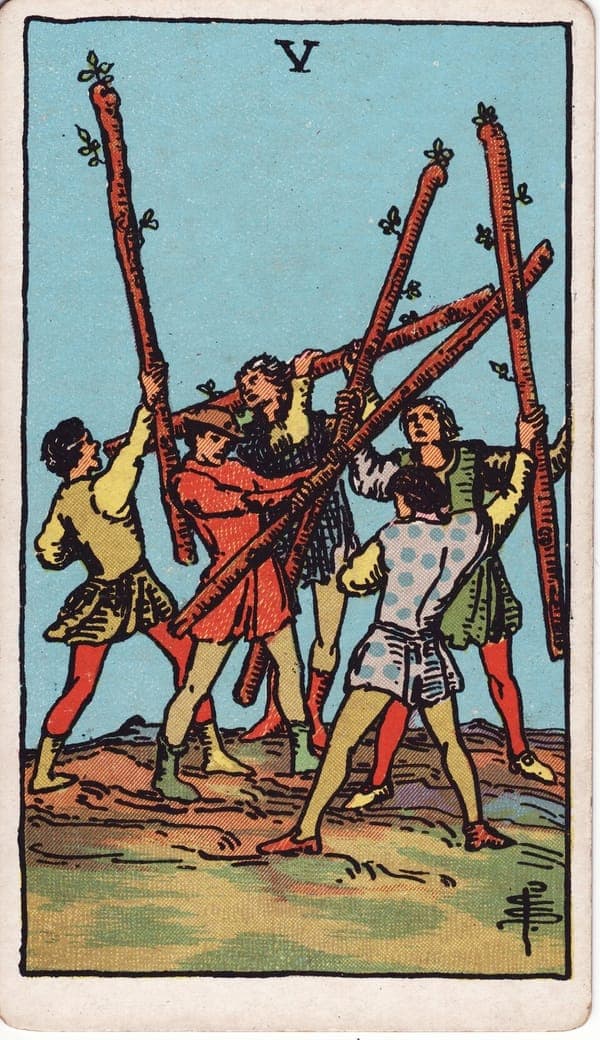
Five of Wands
competition, friction, clashing ideas
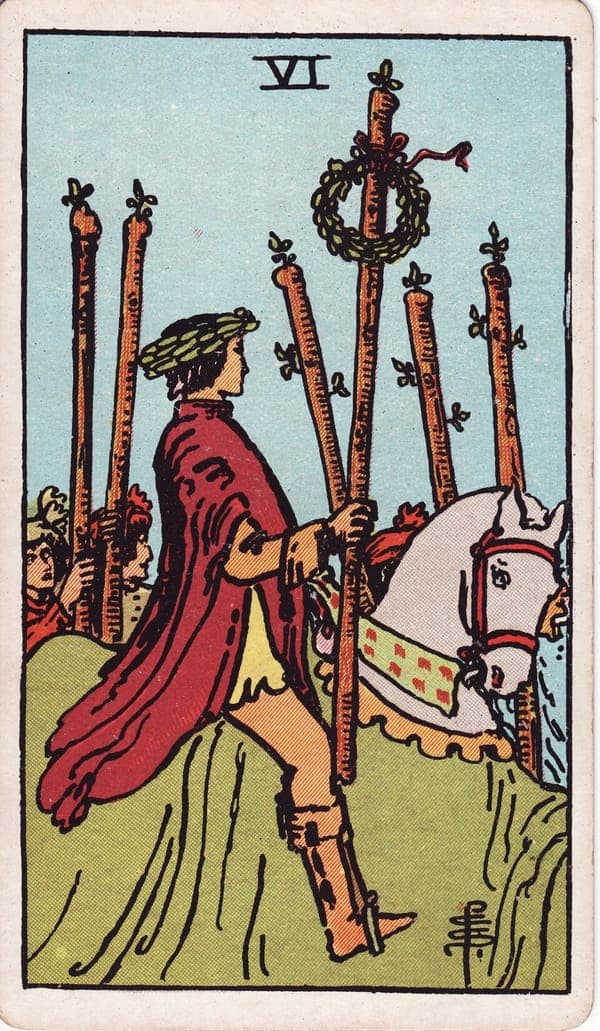
Six of Wands
victory, recognition, success
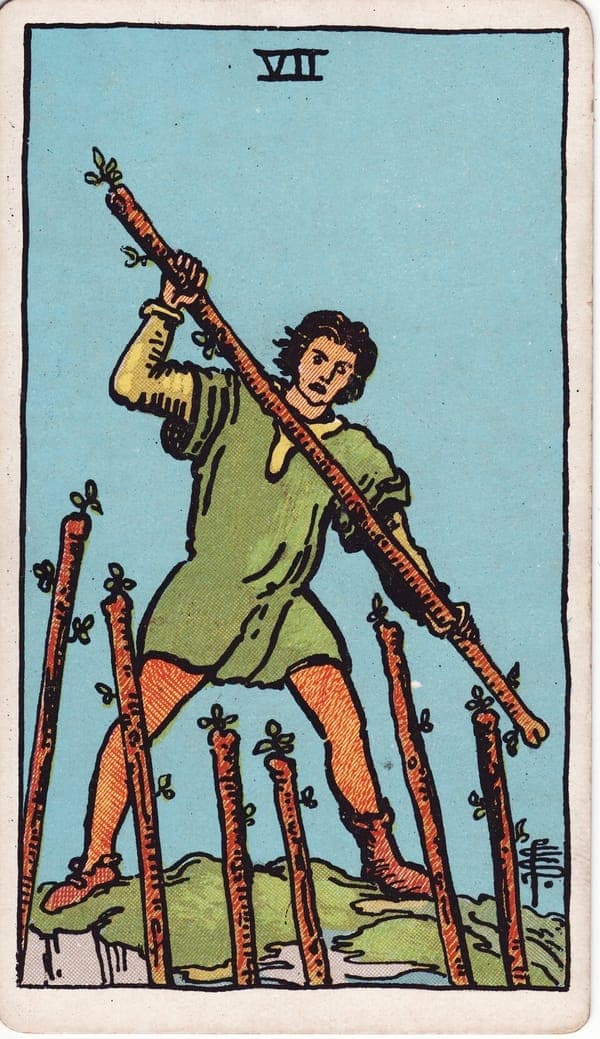
Seven of Wands
standing your ground, defense, conviction
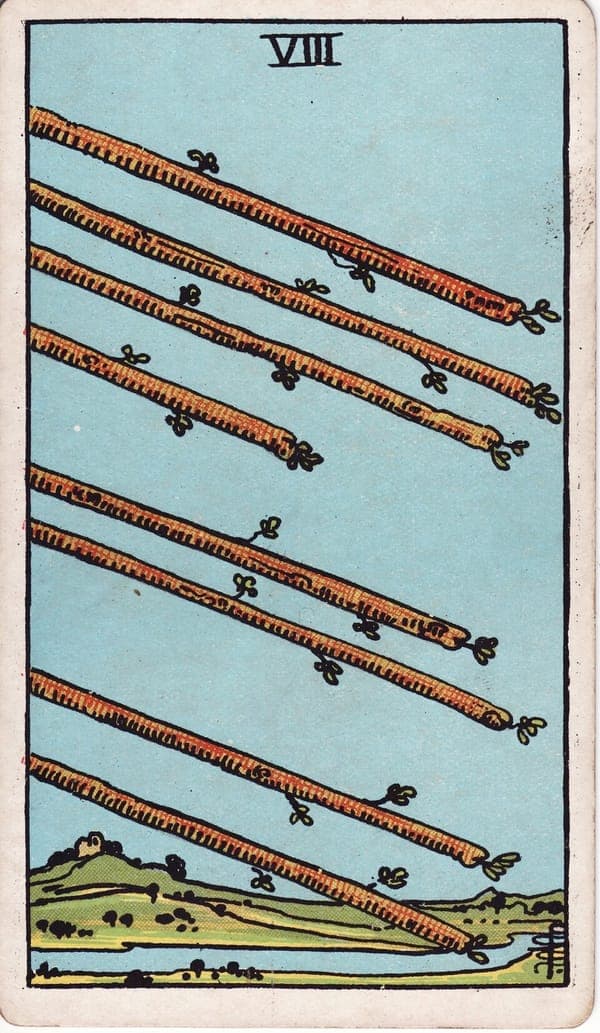
Eight of Wands
speed, momentum, swift news
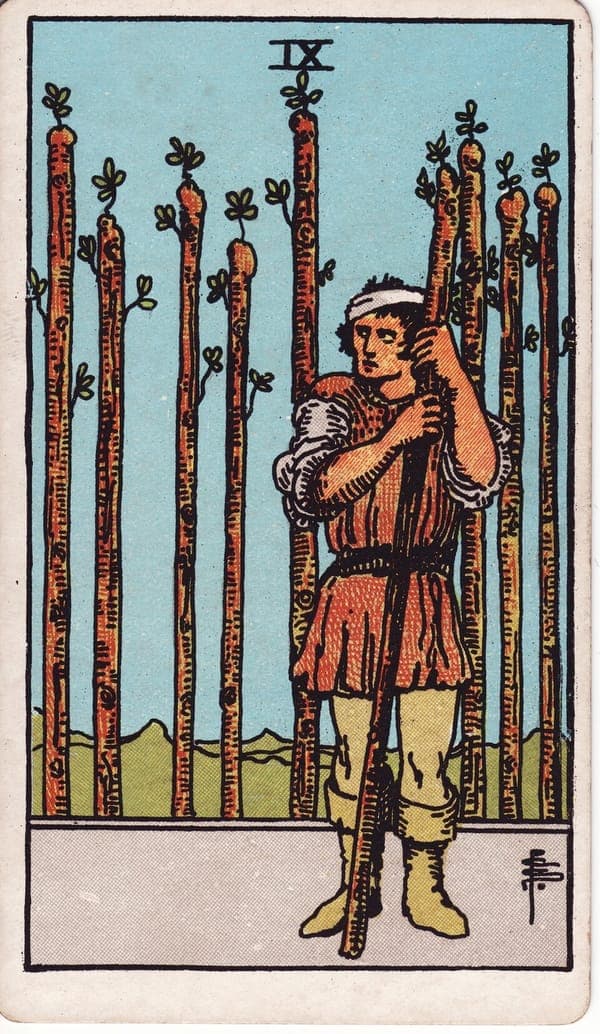
Nine of Wands
resilience, last stand, persistence
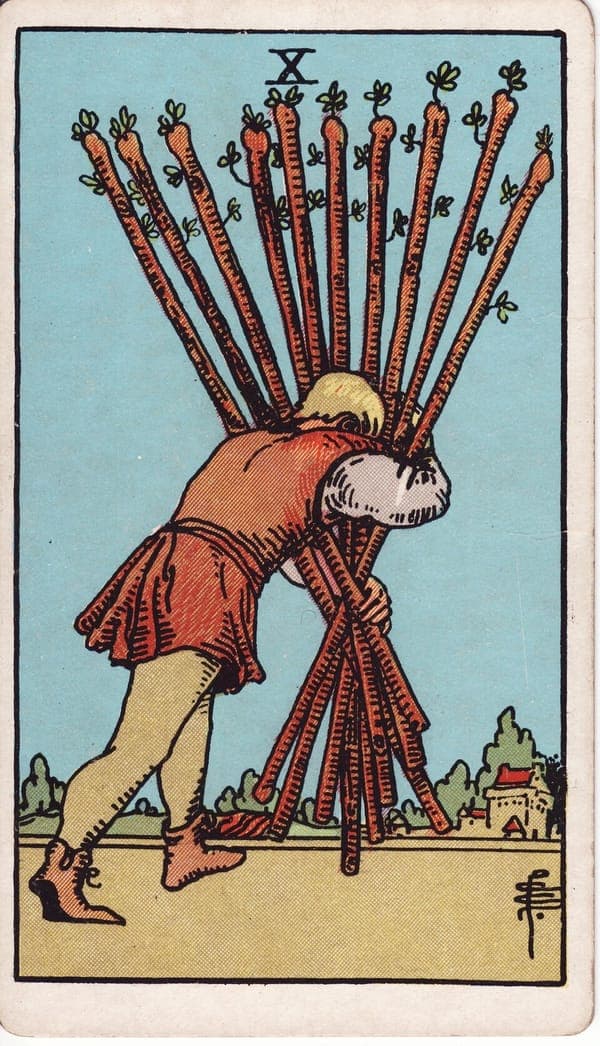
Ten of Wands
burden, overload, responsibility
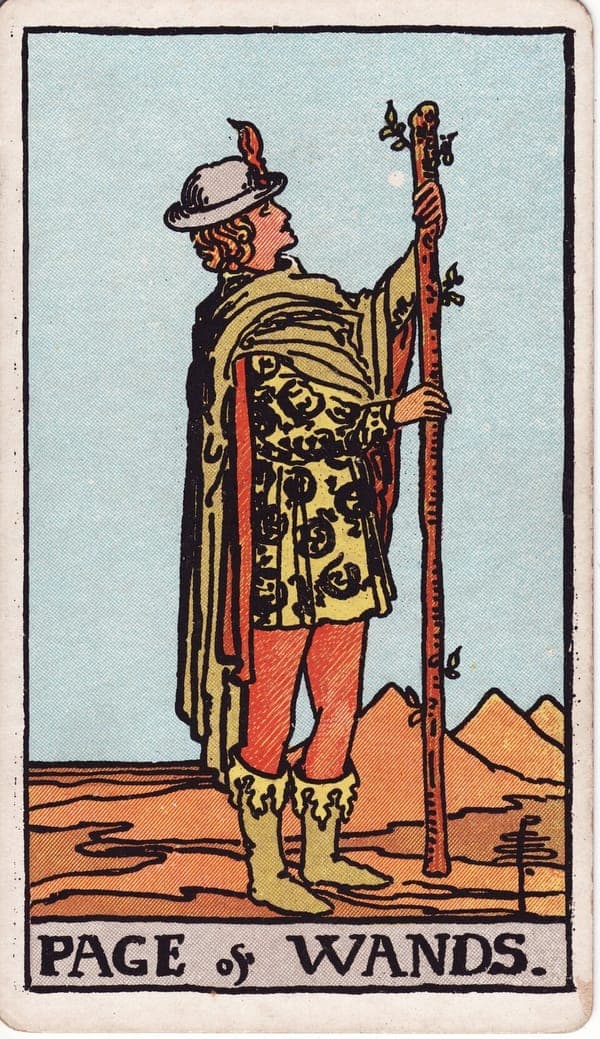
Page of Wands
enthusiasm, exploration, free spirit
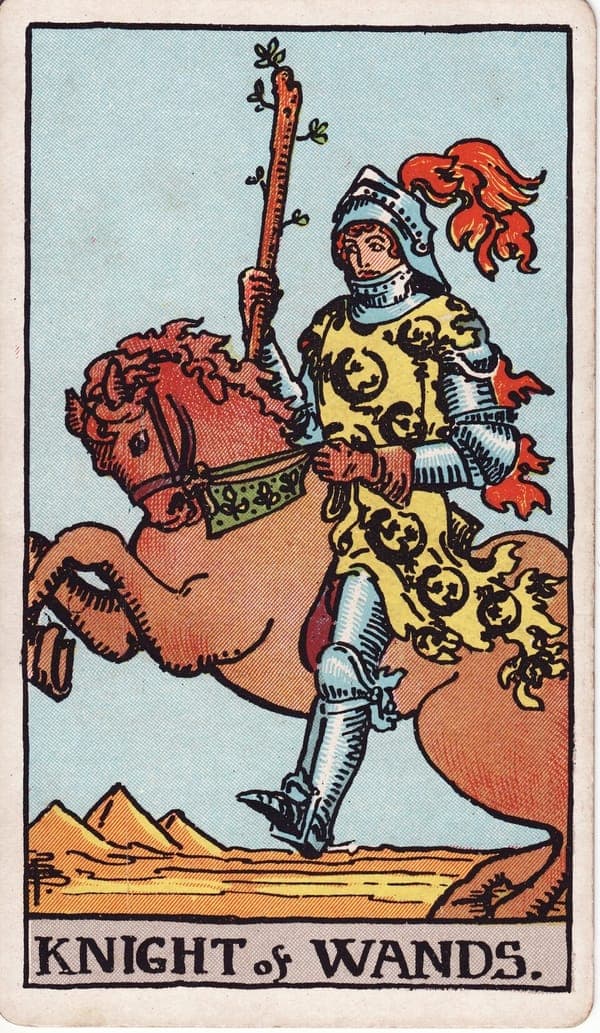
Knight of Wands
bold action, adventure, charisma
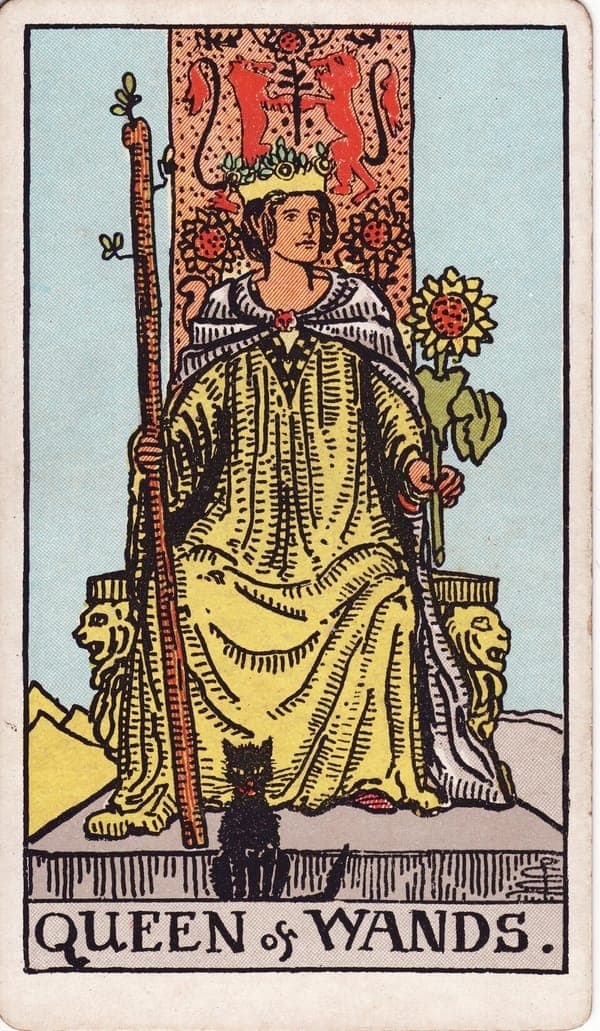
Queen of Wands
confidence, warmth, magnetism
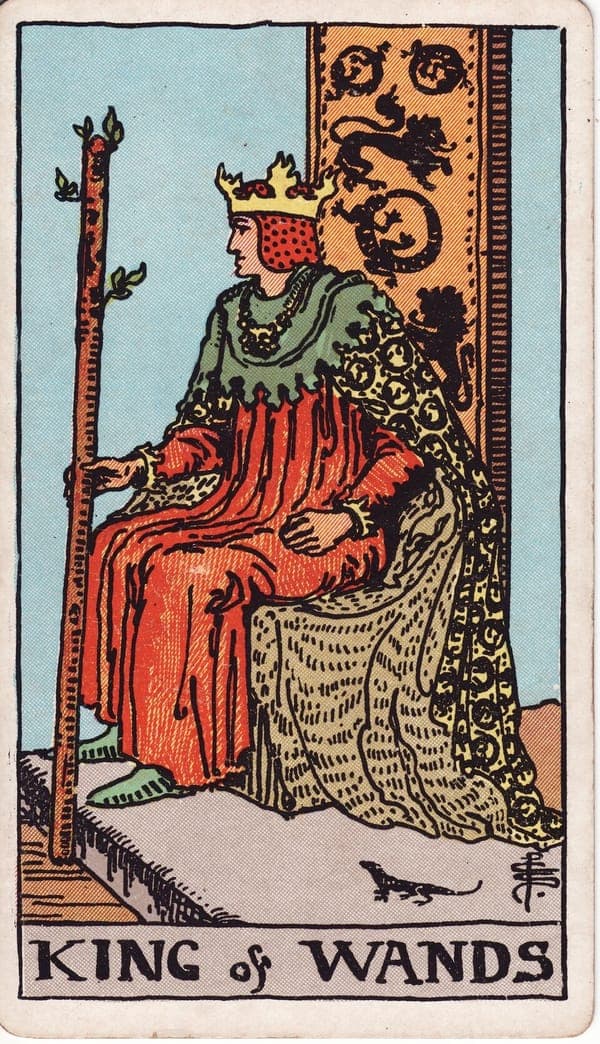
King of Wands
visionary leadership, mastered fire, entrepreneurial spirit
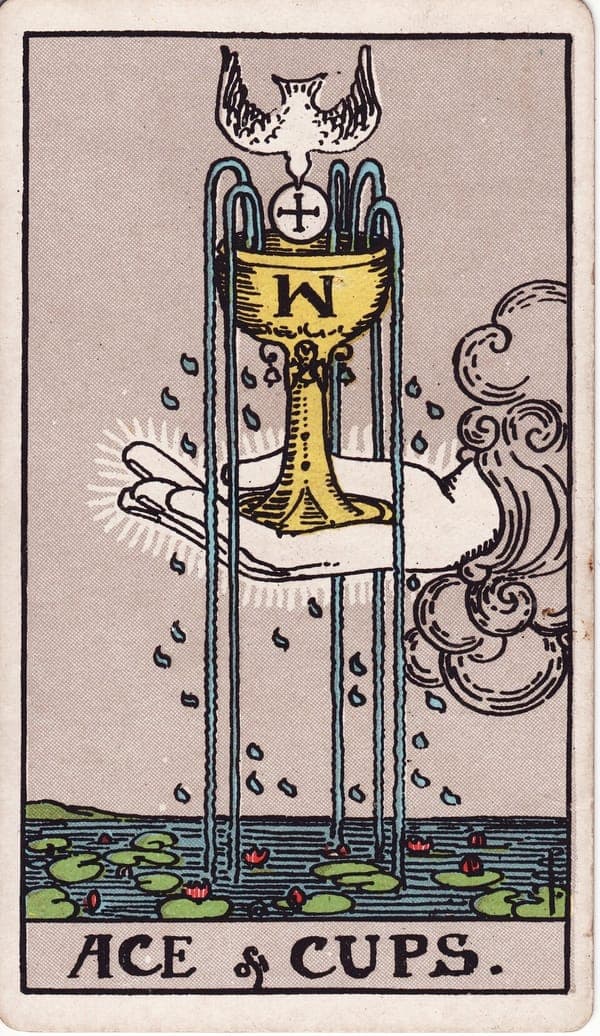
Ace of Cups
new love, emotional beginning, open heart
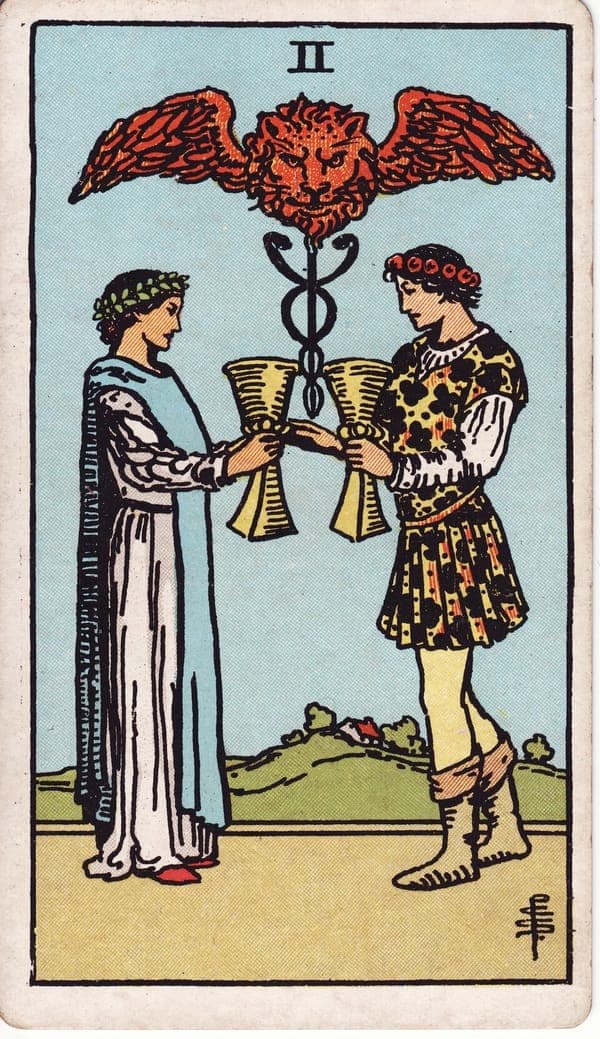
Two of Cups
partnership, mutual attraction, connection
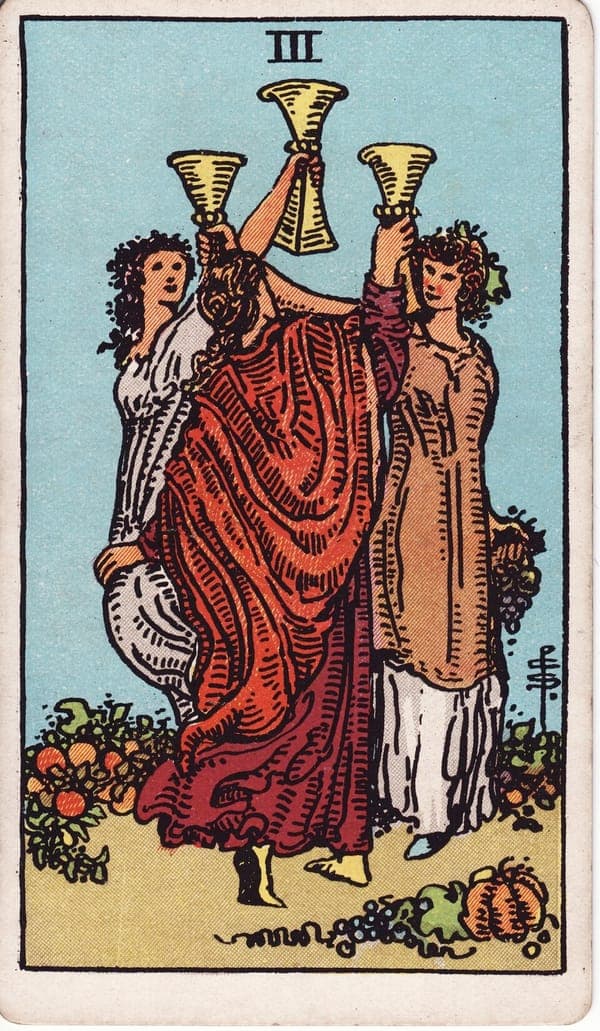
Three of Cups
friendship, celebration, community
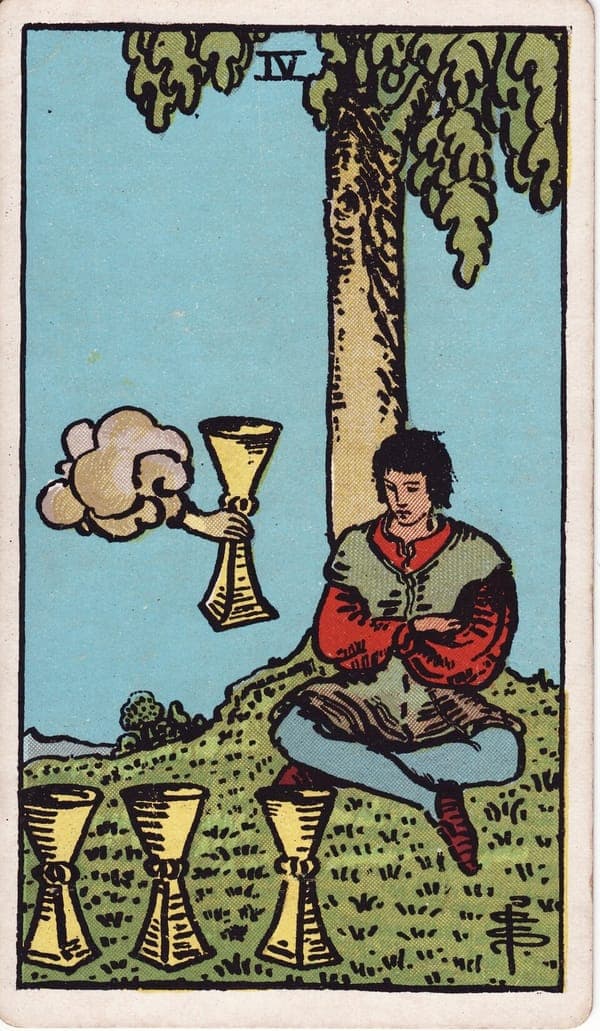
Four of Cups
apathy, contemplation, emotional withdrawal
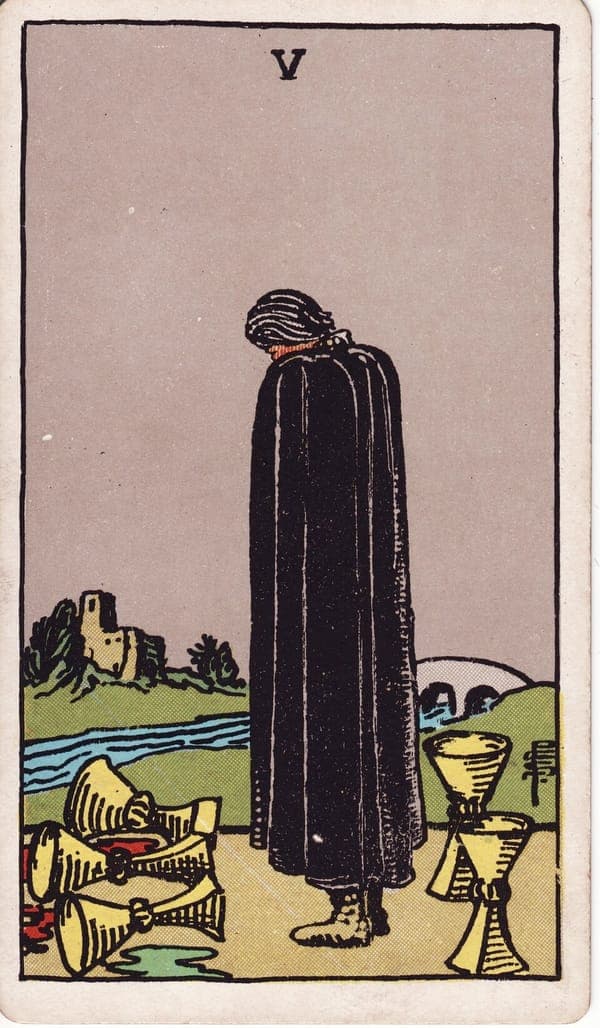
Five of Cups
grief, loss, regret
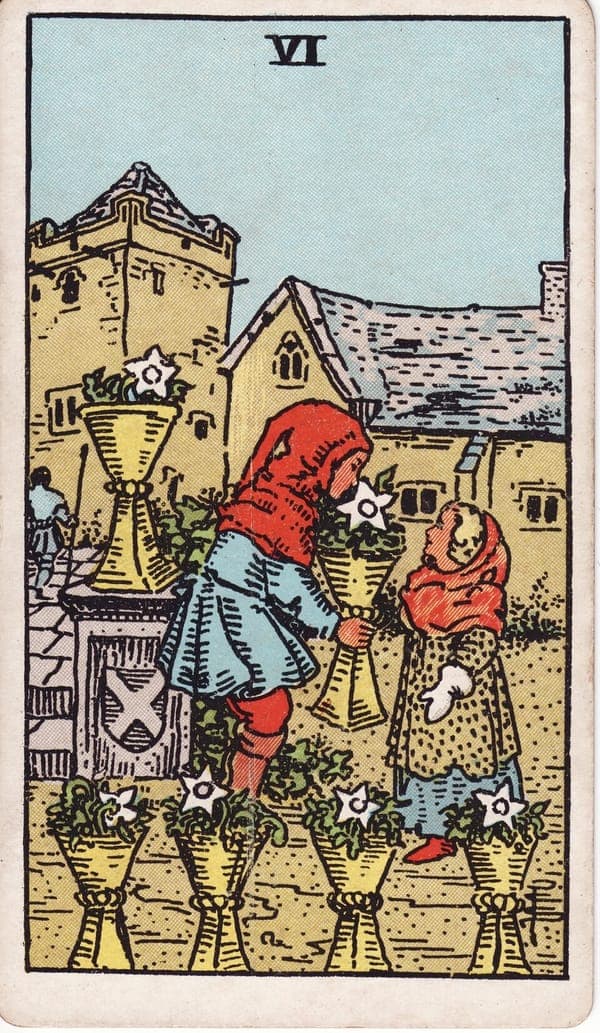
Six of Cups
nostalgia, childhood, innocence
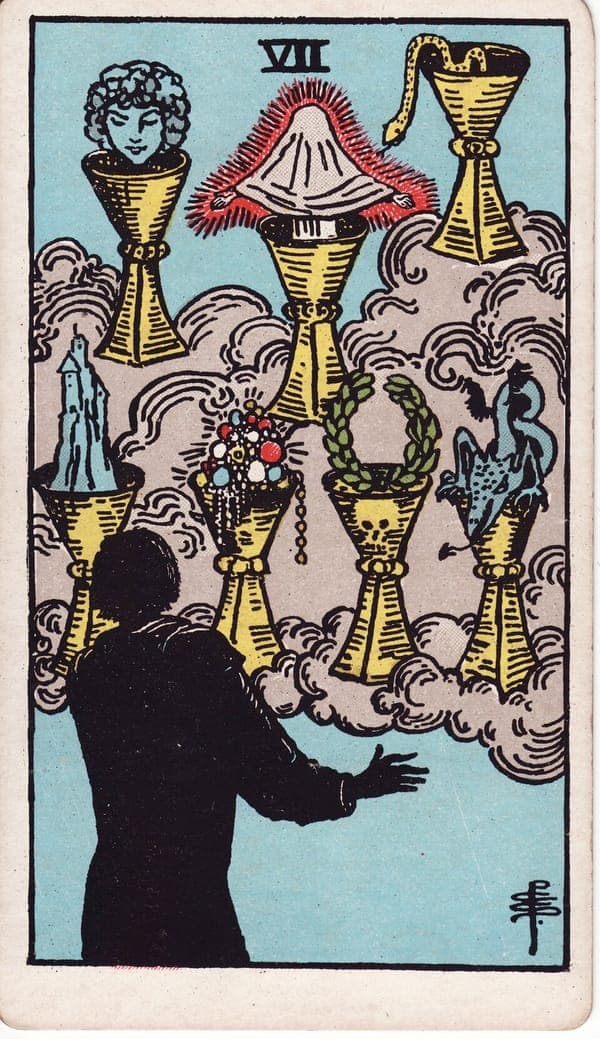
Seven of Cups
choices, fantasy, illusion
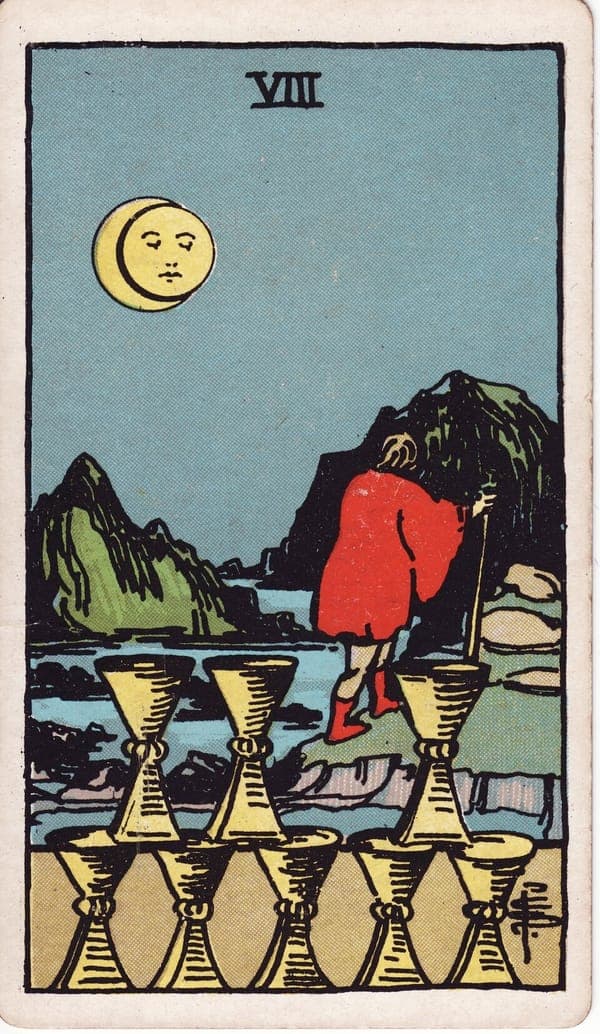
Eight of Cups
walking away, seeking deeper meaning, leaving the built
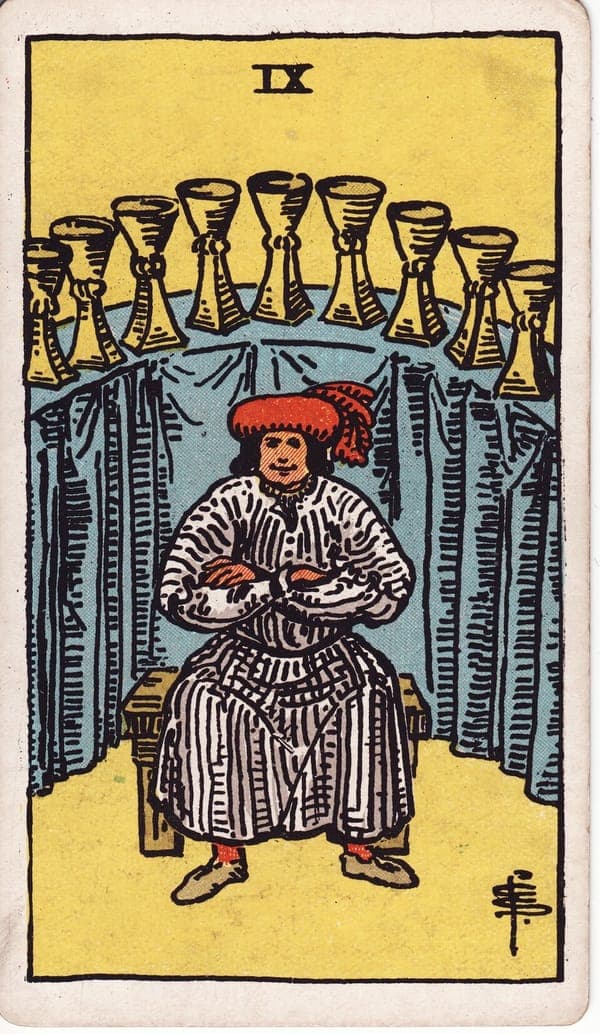
Nine of Cups
wishes fulfilled, satisfaction, contentment
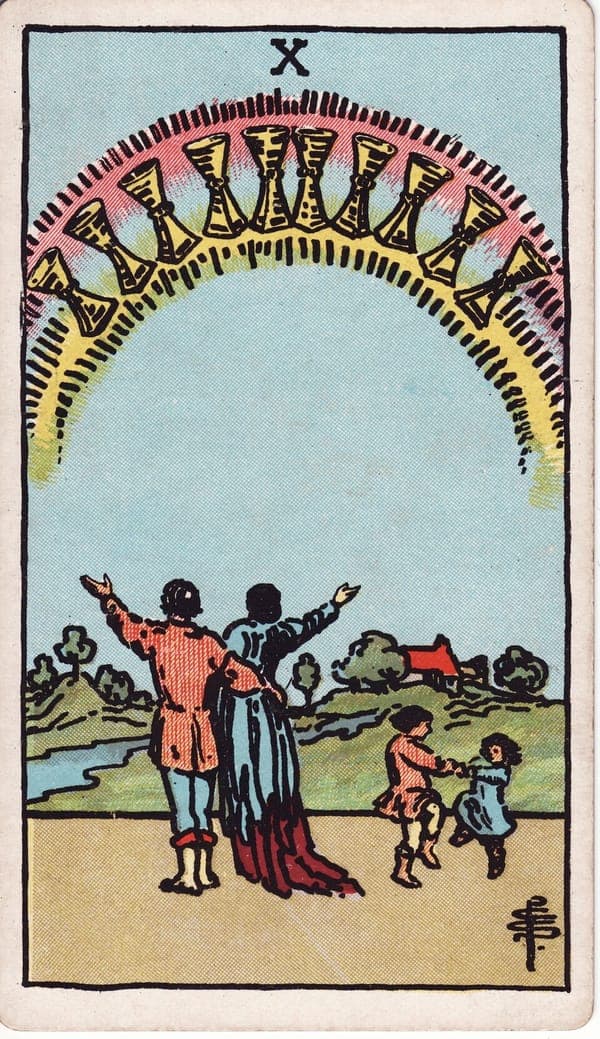
Ten of Cups
lasting happiness, family harmony, emotional fulfillment
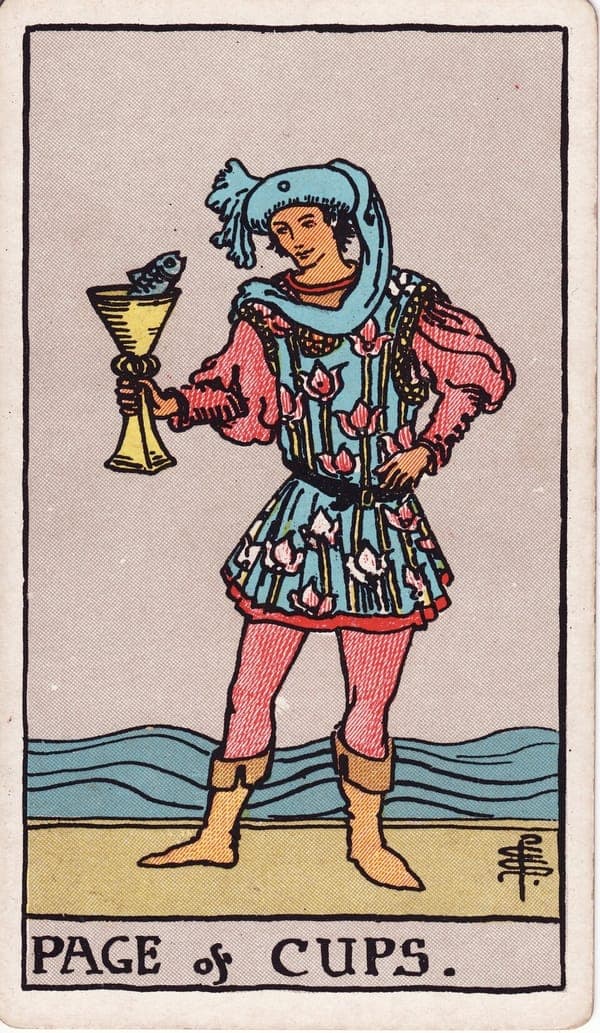
Page of Cups
emotional openness, creative beginnings, intuitive nudges
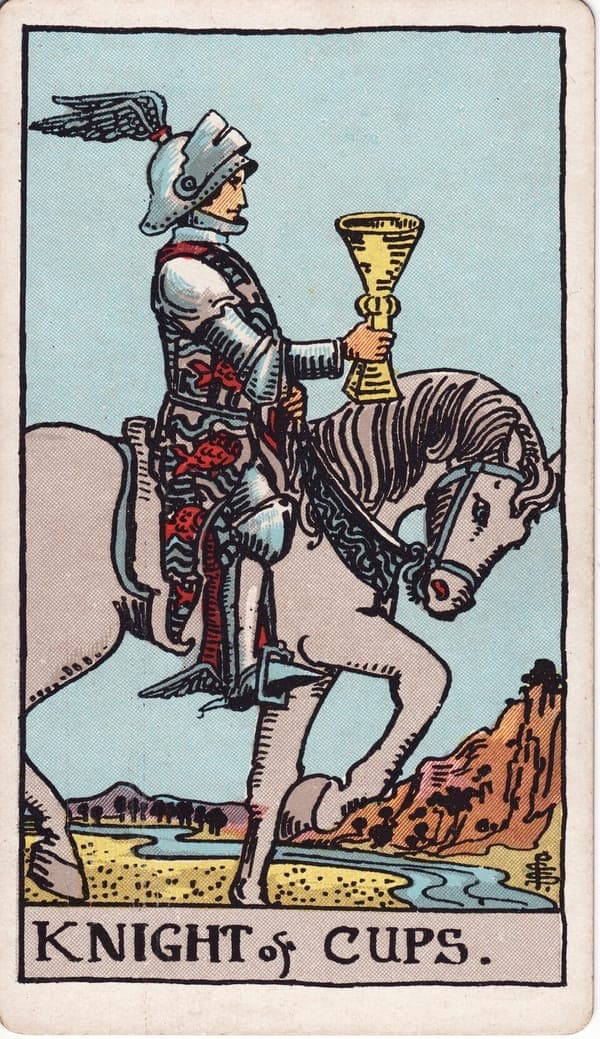
Knight of Cups
romantic pursuit, the offer, charm
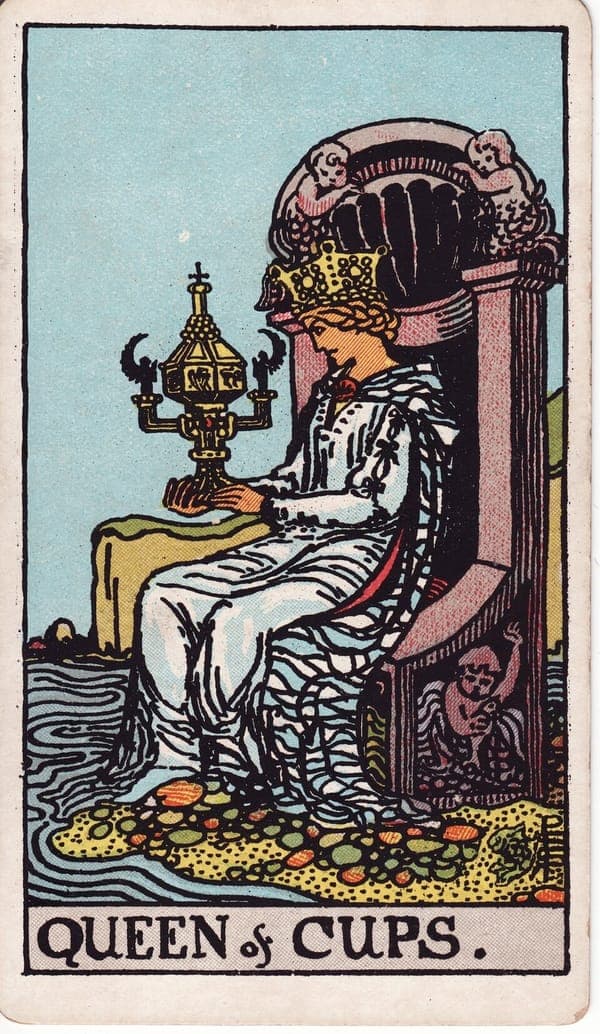
Queen of Cups
compassion, emotional depth, intuition
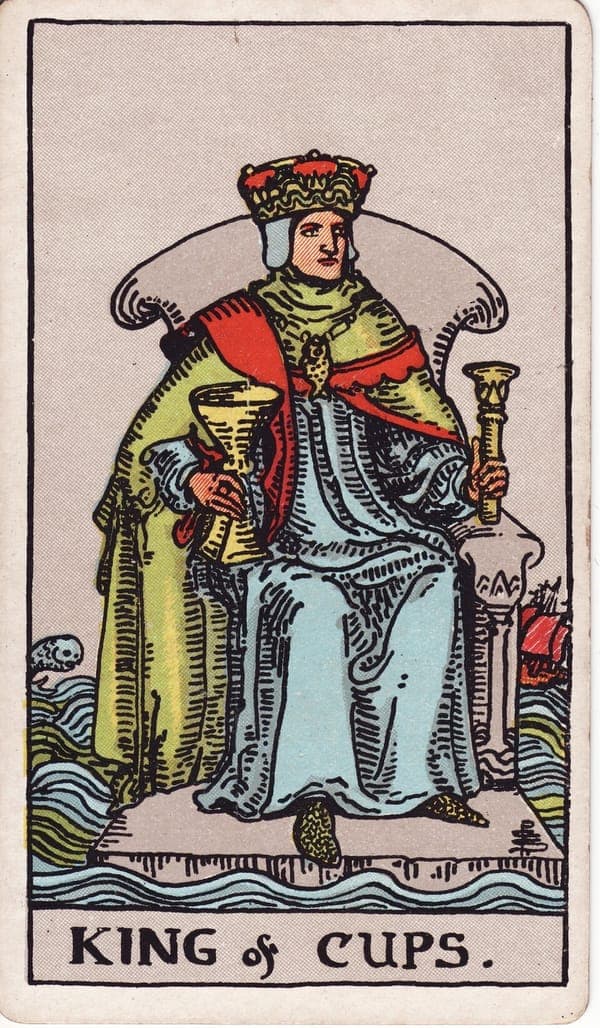
King of Cups
emotional mastery, calm in the storm, diplomacy
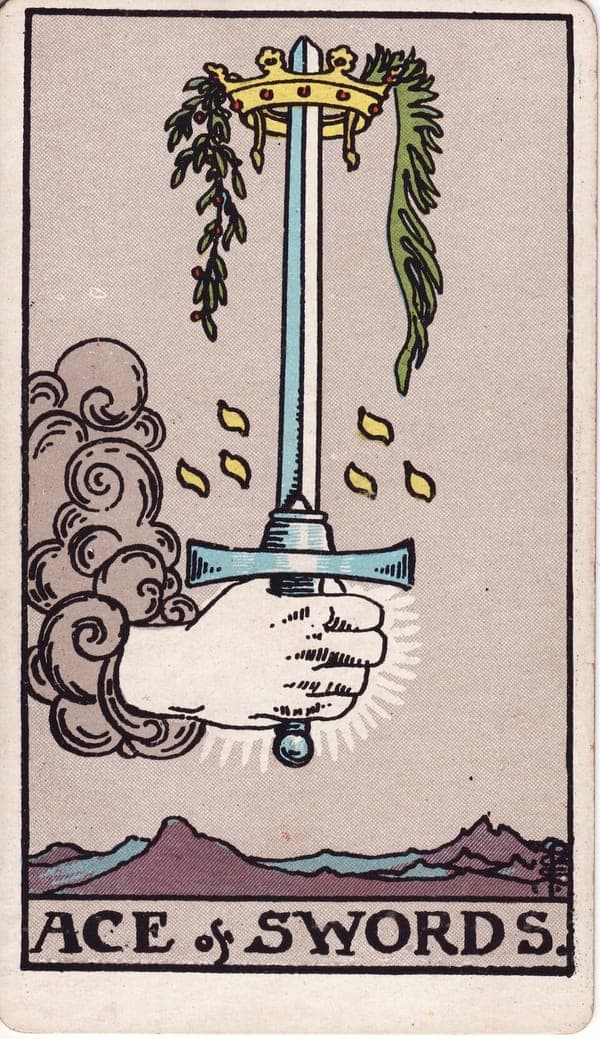
Ace of Swords
clarity, breakthrough, truth
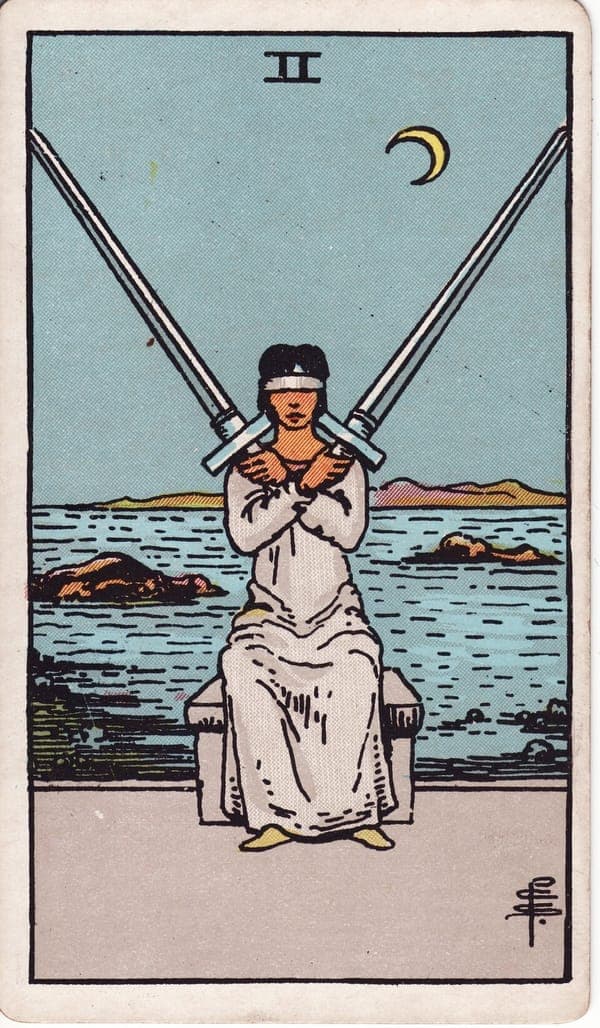
Two of Swords
stalemate, difficult decision, avoidance
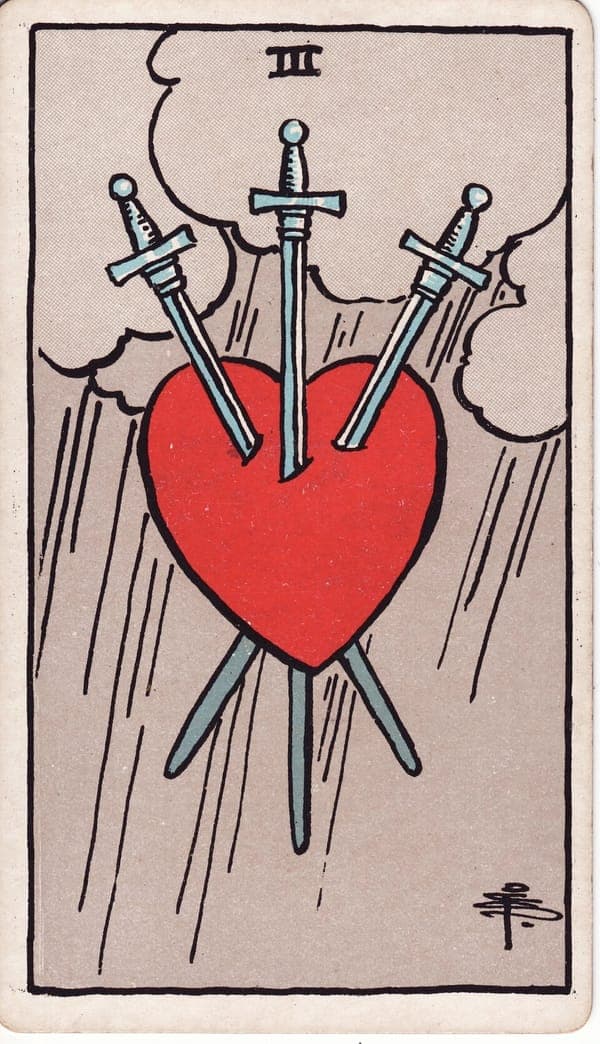
Three of Swords
heartbreak, painful truth, grief
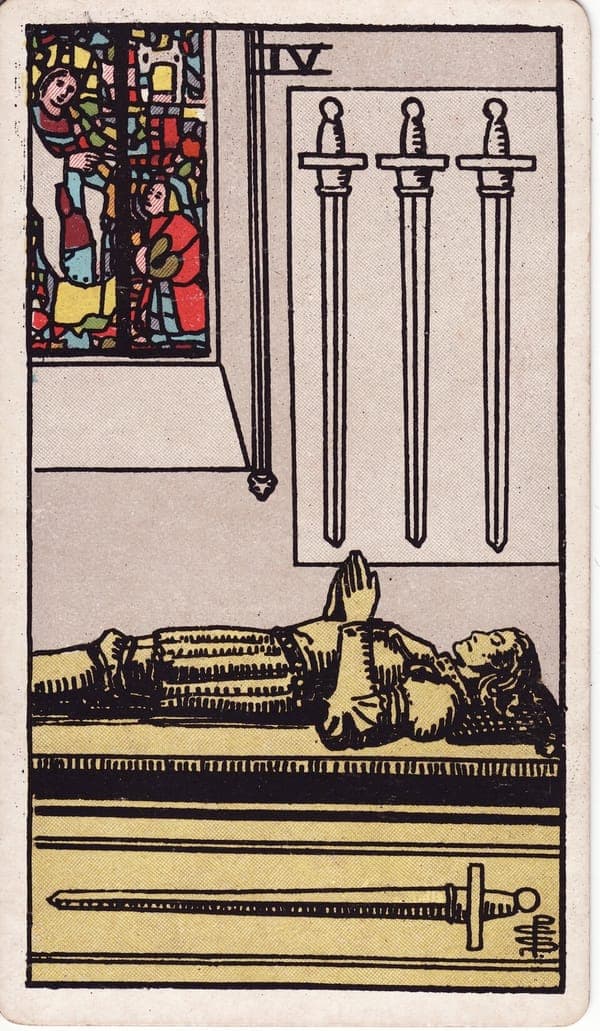
Four of Swords
rest, recovery, retreat
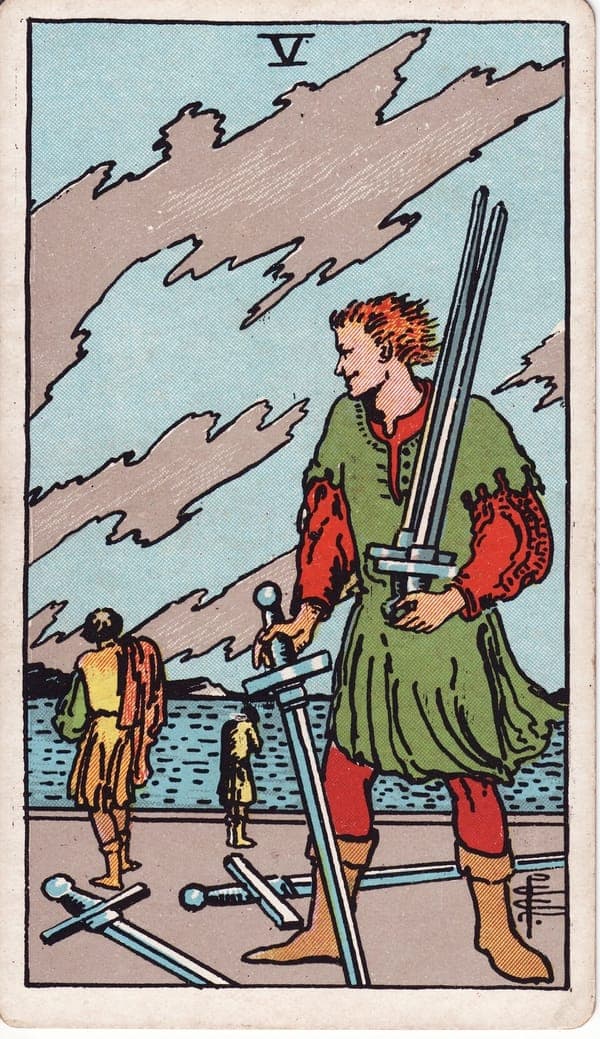
Five of Swords
hollow victory, conflict at any cost, winning ugly
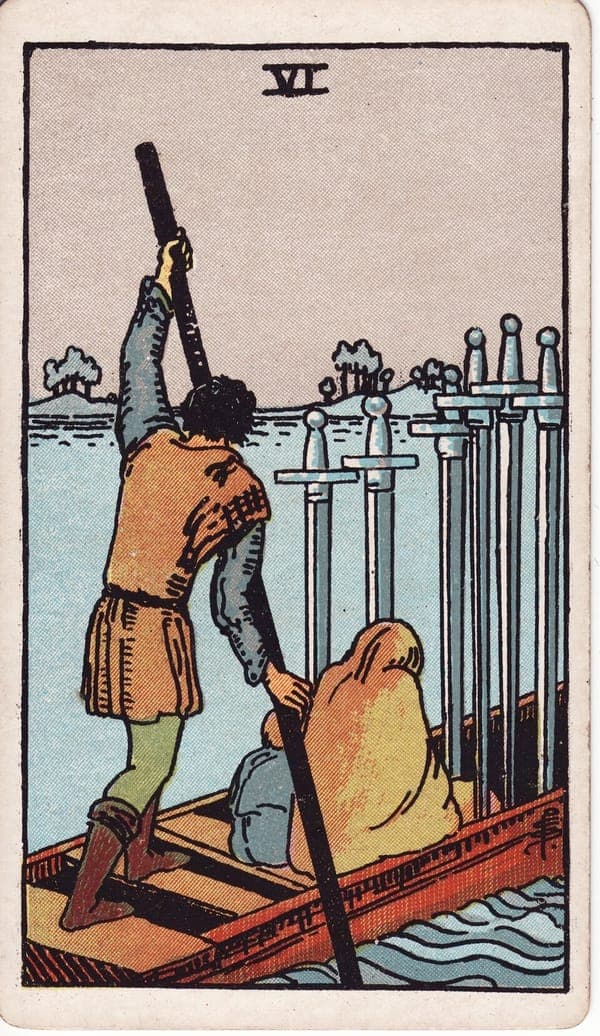
Six of Swords
transition, moving on, passage
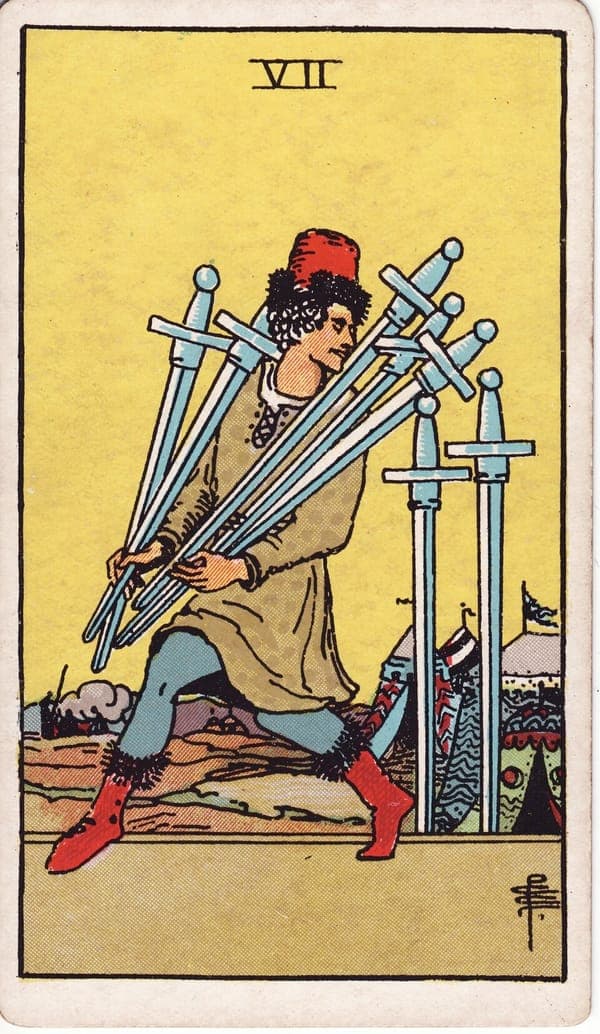
Seven of Swords
deception, stealth, strategy
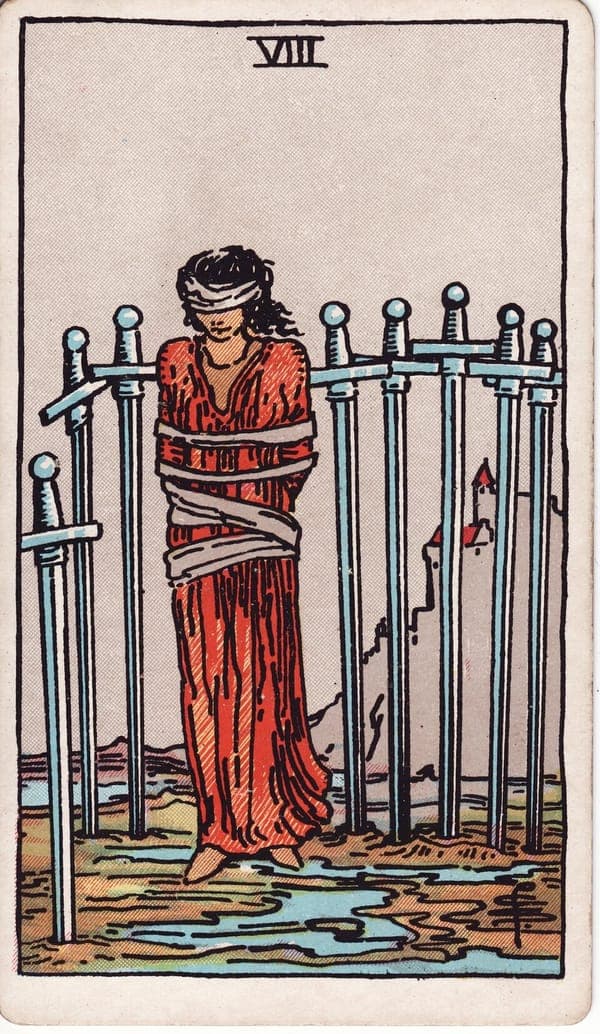
Eight of Swords
feeling trapped, self-imposed limits, victim mindset
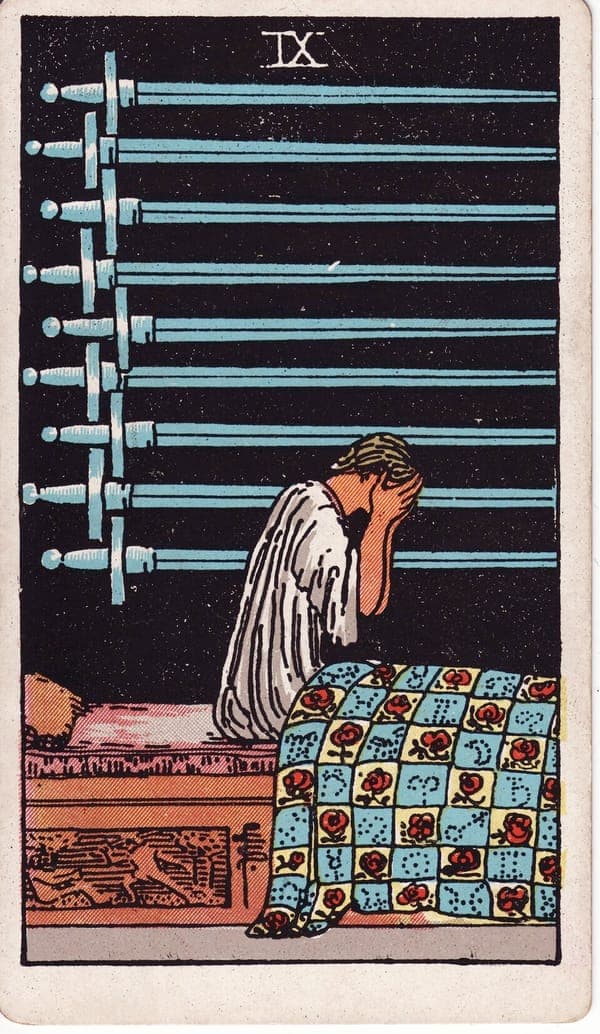
Nine of Swords
anxiety, sleepless nights, rumination
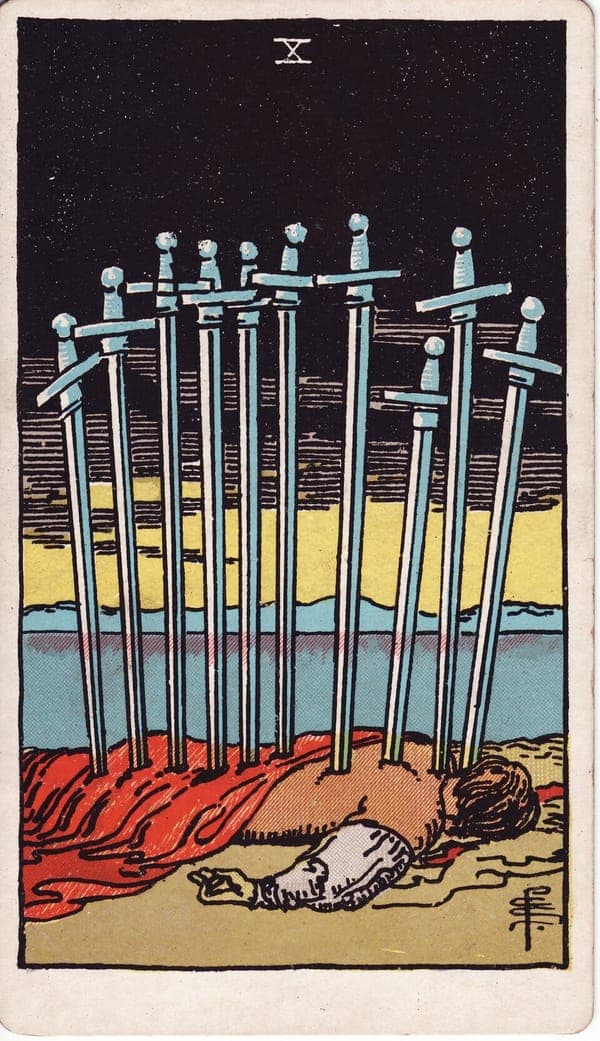
Ten of Swords
painful ending, rock bottom, betrayal
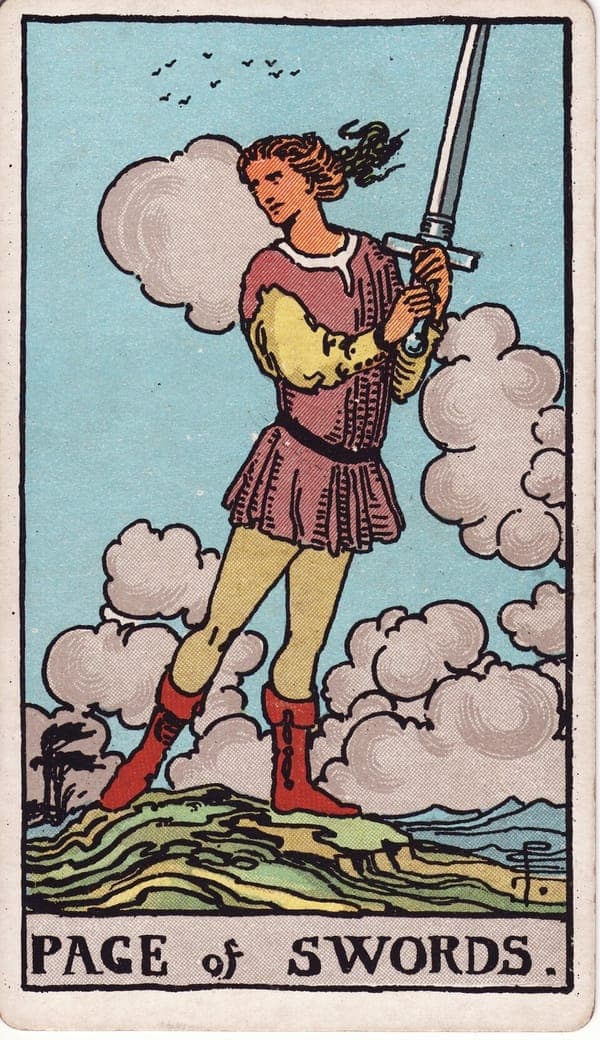
Page of Swords
curiosity, vigilance, new ideas
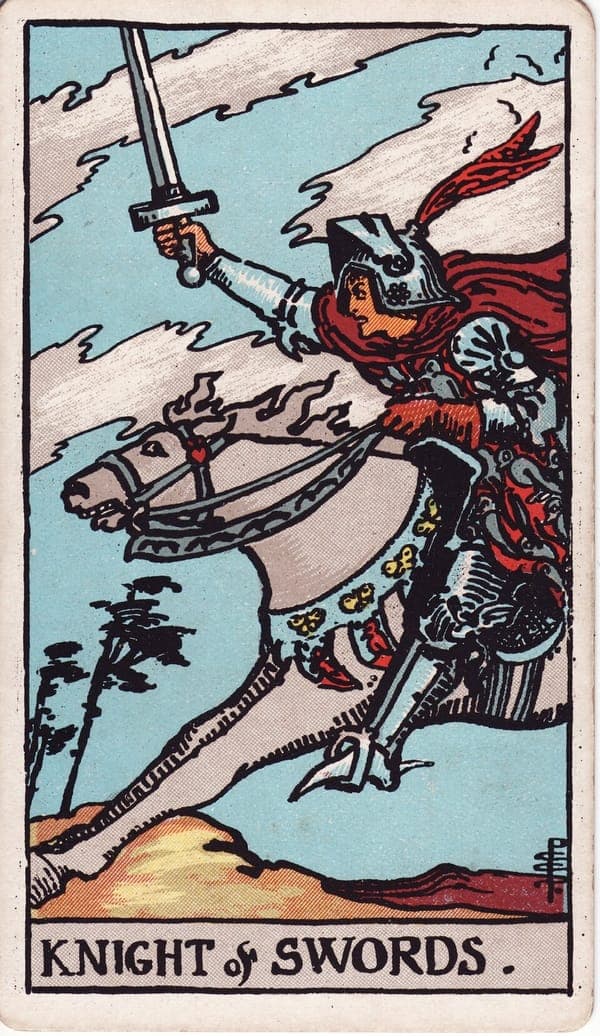
Knight of Swords
decisive action, directness, intellectual drive
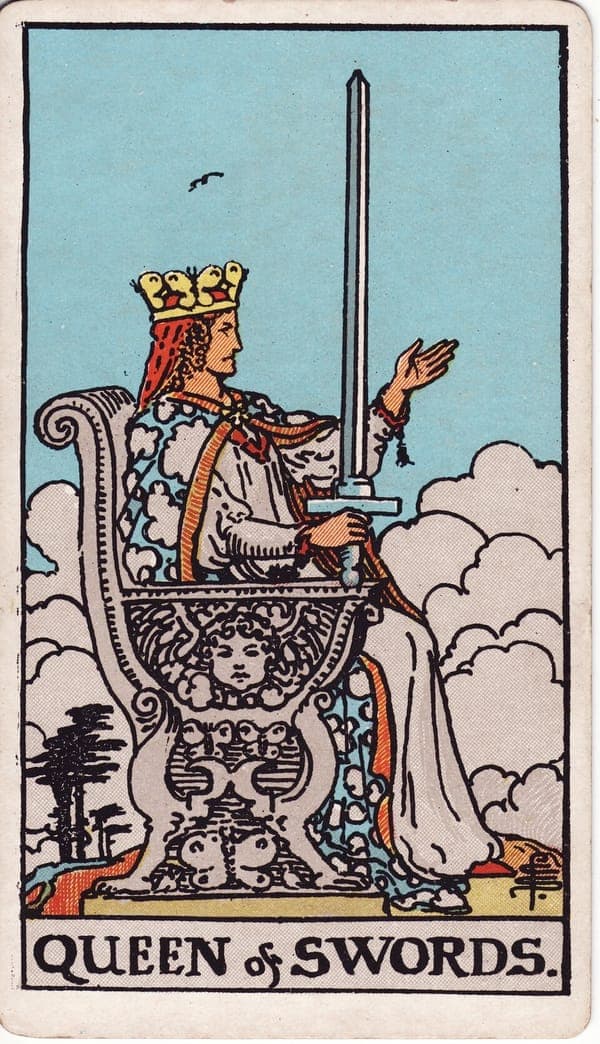
Queen of Swords
clear-eyed honesty, independence, discernment
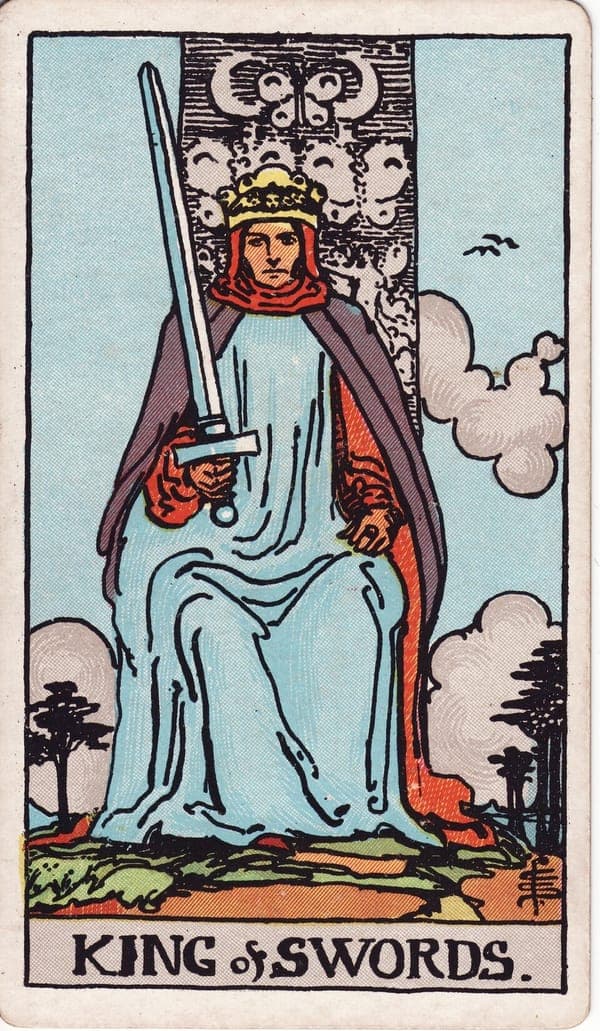
King of Swords
intellectual authority, impartial judgment, truth as standard
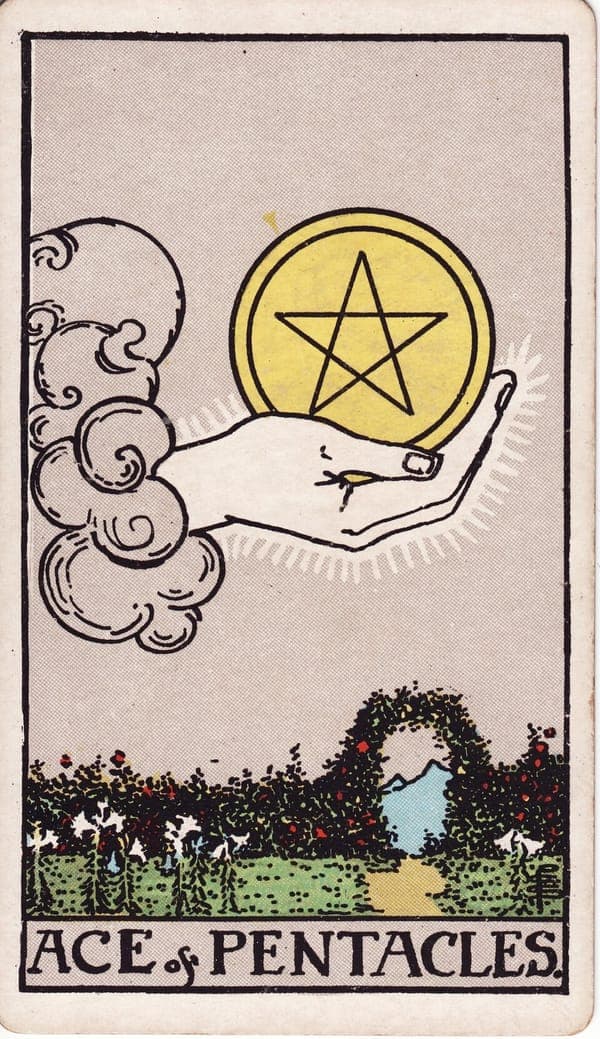
Ace of Pentacles
new opportunity, prosperity, solid beginnings
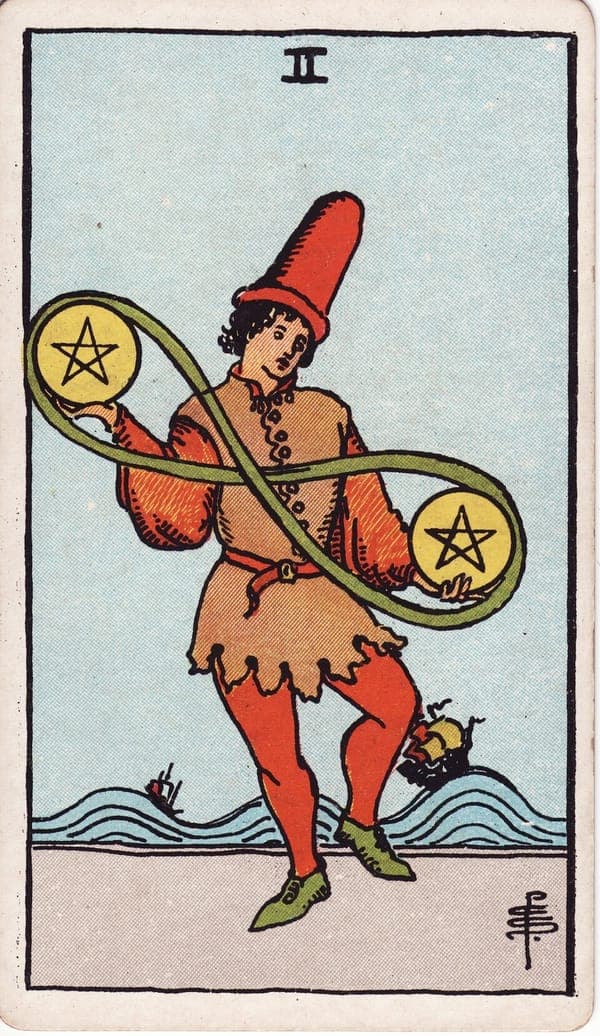
Two of Pentacles
juggling priorities, adaptability, balance in motion
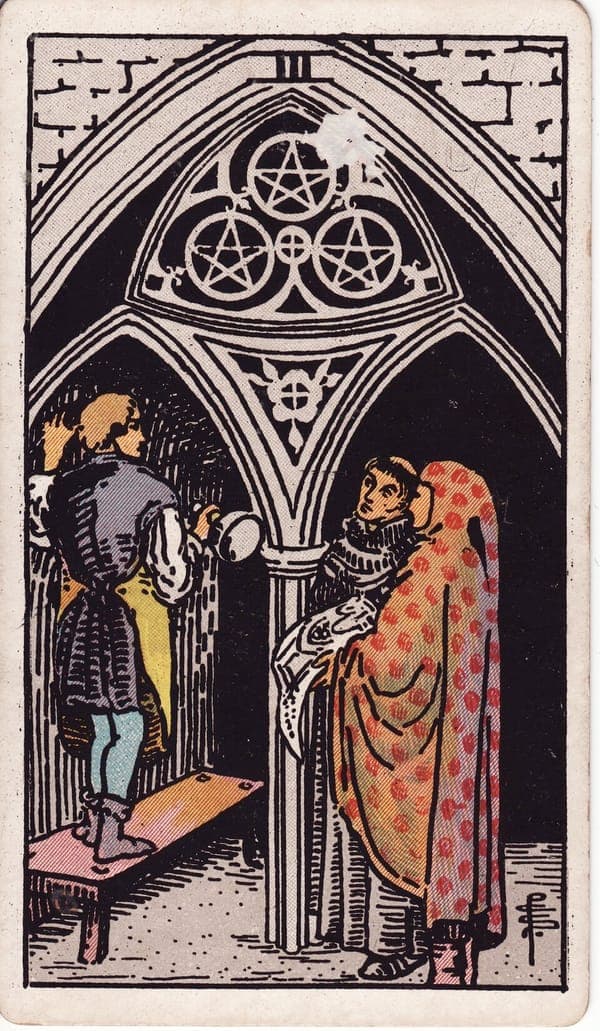
Three of Pentacles
collaboration, craftsmanship, skill recognized
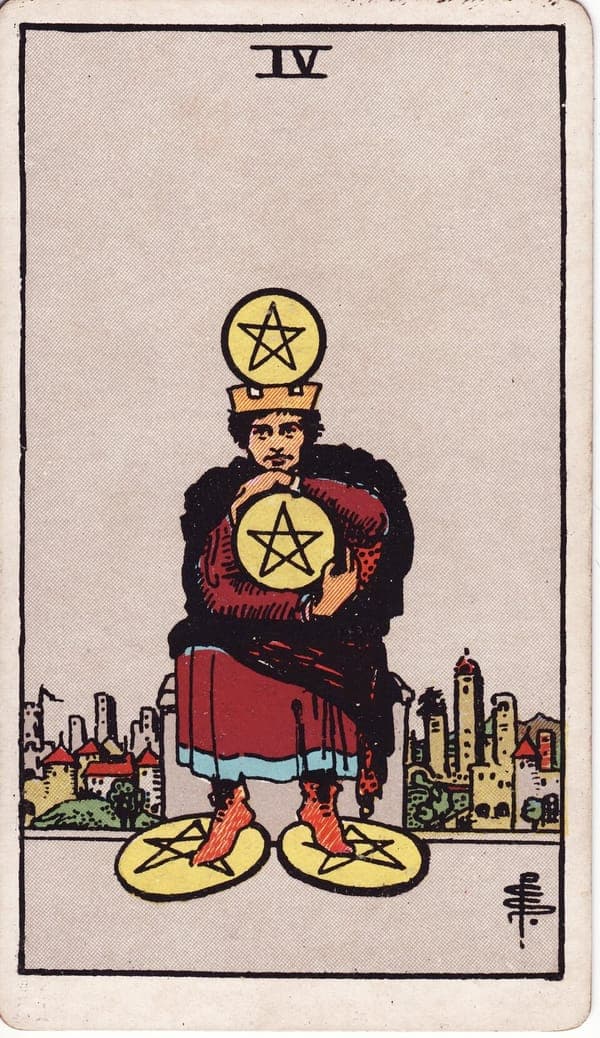
Four of Pentacles
security, saving, control
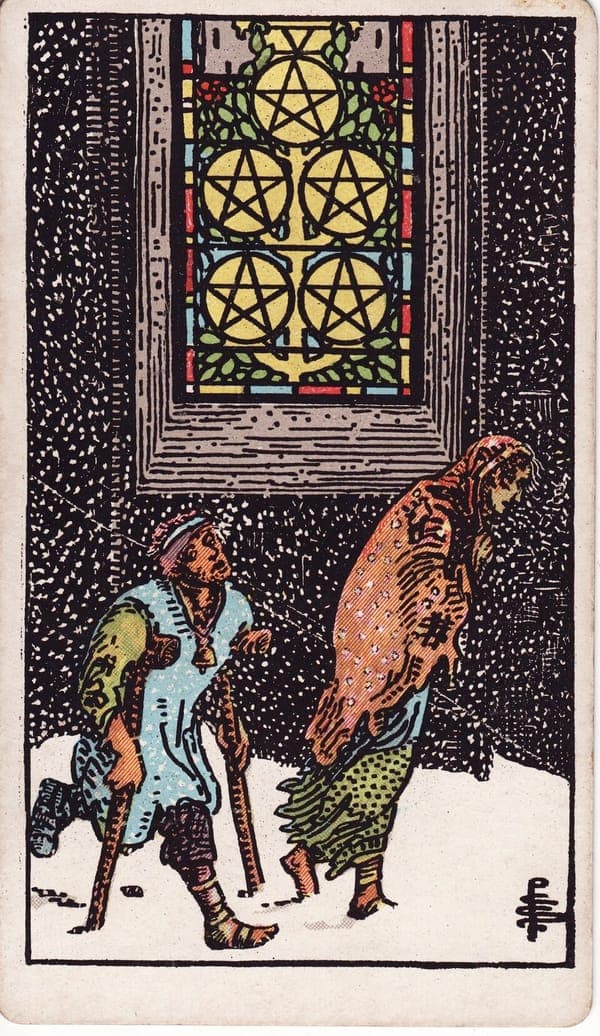
Five of Pentacles
hardship, feeling shut out, financial strain
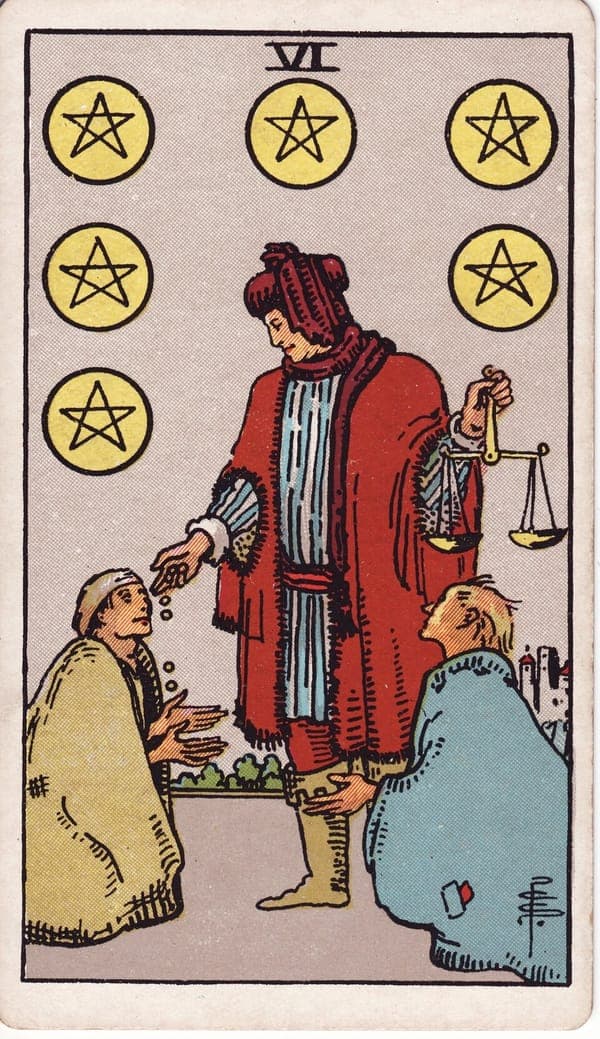
Six of Pentacles
generosity, giving and receiving, support
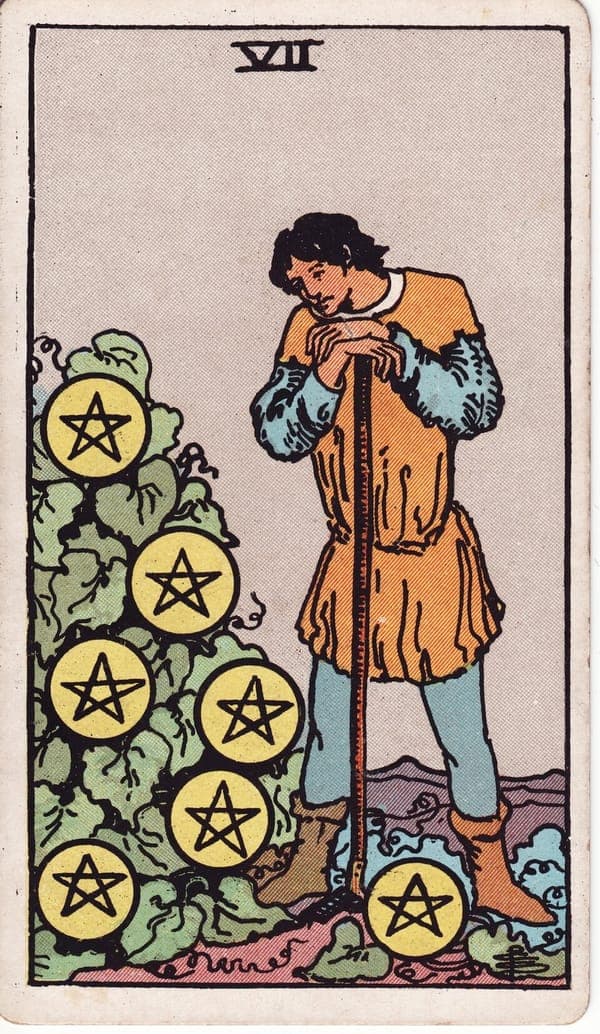
Seven of Pentacles
patience, assessment, long-term investment
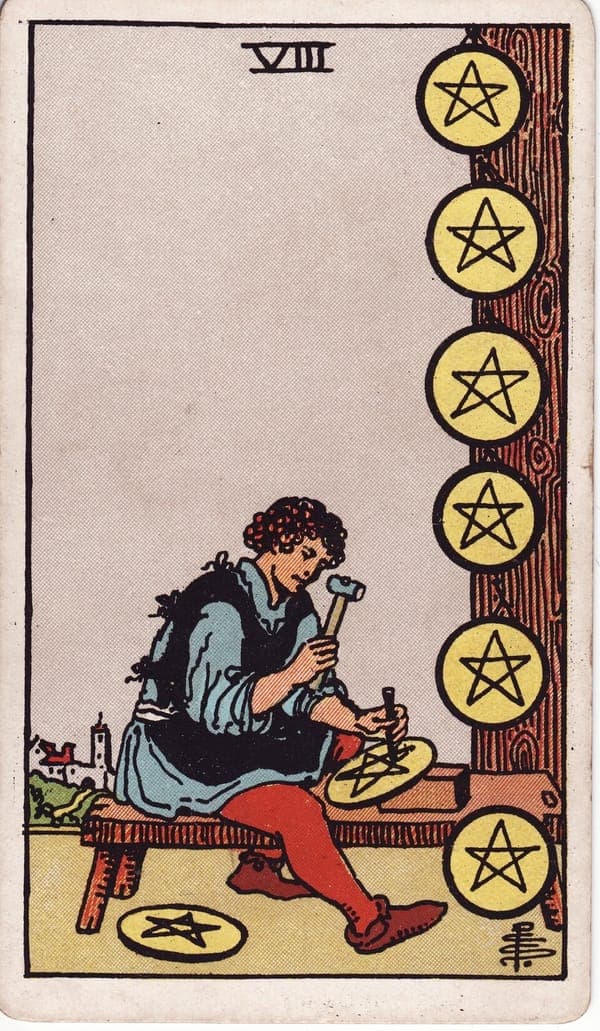
Eight of Pentacles
diligence, skill-building, apprenticeship
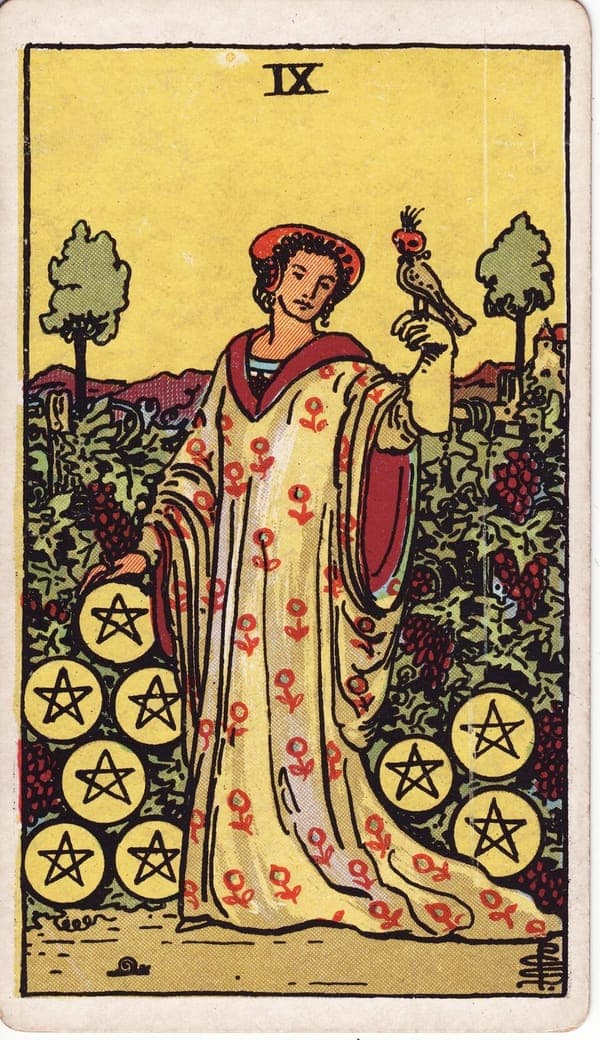
Nine of Pentacles
self-sufficiency, earned luxury, independence
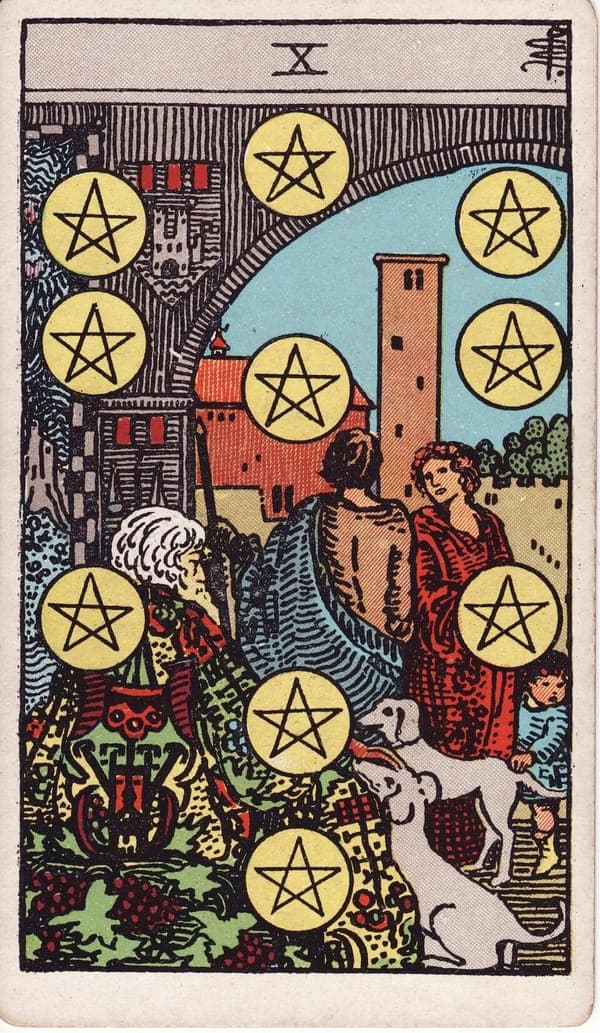
Ten of Pentacles
legacy, family wealth, long-term security
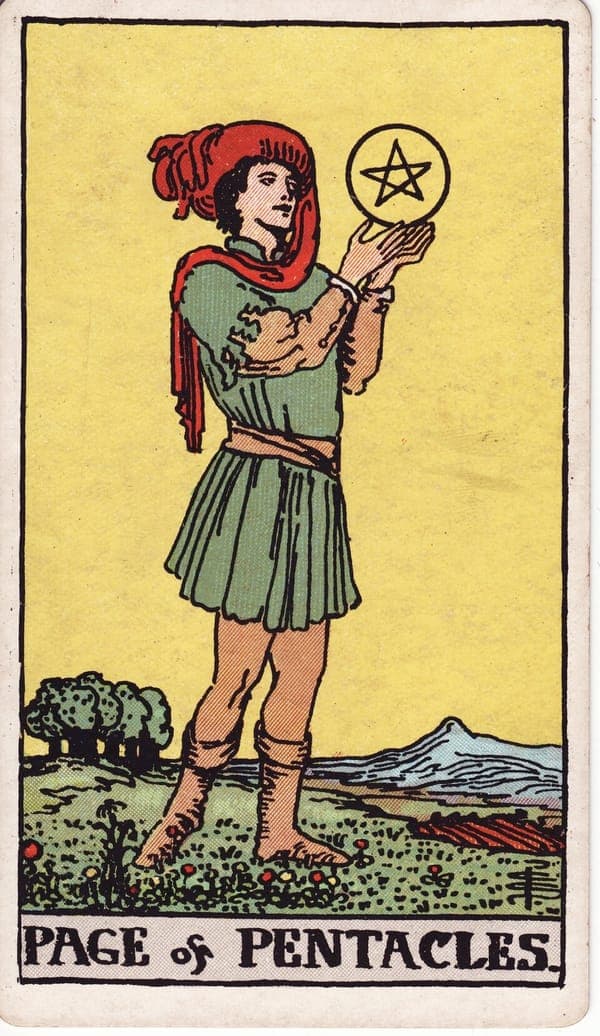
Page of Pentacles
studiousness, new venture, practical learning
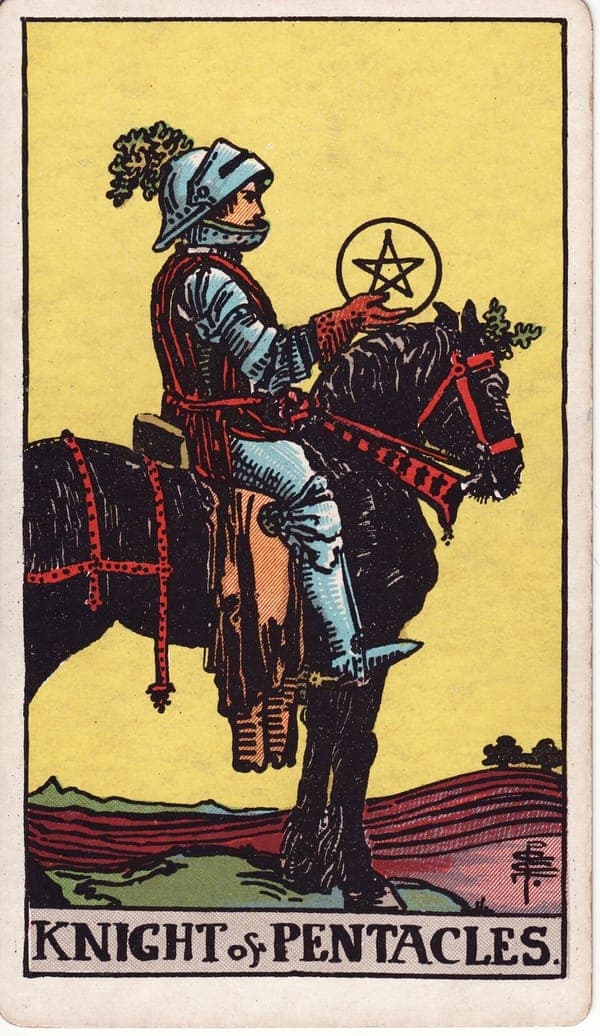
Knight of Pentacles
reliability, methodical progress, endurance
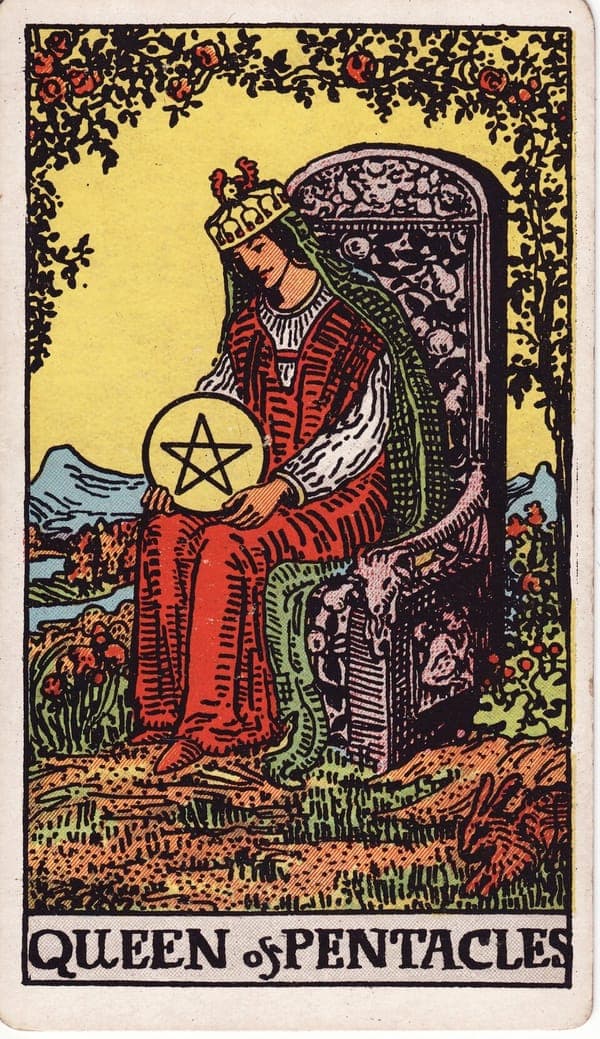
Queen of Pentacles
nurturing practicality, resourcefulness, warm security
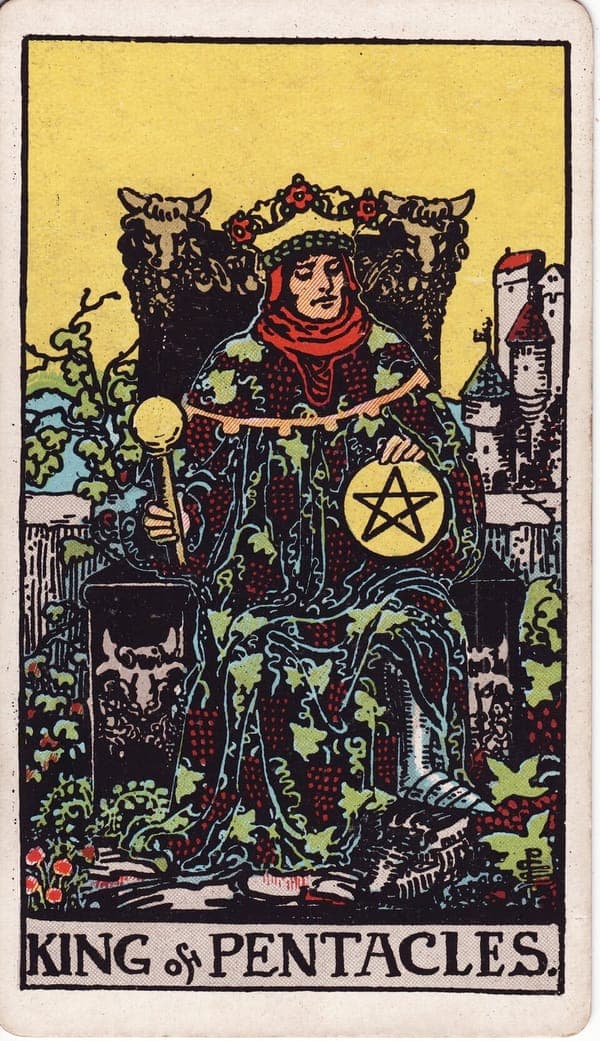
King of Pentacles
mastery of wealth, provider, business acumen
How the deck is structured
The standard tarot deck — this library follows the Rider–Waite–Smith tradition, the deck most modern decks descend from — contains 78 cards in two groups. The 22 Major Arcana carry the deck's big, identity-level themes: beginnings (The Fool), endings and transformation (Death), crisis (The Tower), renewal (The Star). When a Major appears in a reading, the convention is to treat the matter as significant — something about who you are, not just what you're doing this week.
The 56 Minor Arcana handle everyday texture, and they are organized exactly like a modern playing-card deck: four suits of fourteen cards each — Ace through Ten, plus four court cards (Page, Knight, Queen, King). If you can hold one suit's theme and the meaning of the numbers, you can reconstruct most of a Minor card's meaning from first principles.
The four suits
Each suit governs one domain of experience, traditionally linked to one of the four classical elements:
- Wands (fire) — will, energy, ambition, creative drive. Wands cards ask what you want and what you're doing about it.
- Cups (water) — emotion, relationships, intuition. Cups cards ask how you feel and how you connect.
- Swords (air) — thought, communication, conflict, truth. Swords cards ask what you believe and what it costs you. This is the suit of the deck's hardest images — grief and anxiety live here — because the mind is where we do most of our suffering.
- Pentacles (earth) — the material world: work, money, health, home. Pentacles cards ask what you're building and whether it can bear weight.
The numbers follow a shared arc across all four suits: Aces are pure potential; the middle numbers develop, stabilize, and complicate the suit's theme; Tens complete it. Court cards are best read as personalities or postures — ways of carrying the suit's energy — rather than always as literal people.
Upright and reversed
Every meaning in this library is written twice: upright and reversed. A reversal is not a punishment card or a bad omen. The most useful convention — and the one we follow — is to read a reversal as the card's energy turned inward, blocked, delayed, or overdone. The Sun upright is open joy; reversed, it might be joy you can't quite let yourself feel. Whether you read reversals at all is a legitimate stylistic choice; plenty of skilled readers don't. If you're learning, we suggest starting upright-only and adding reversals once the 78 base meanings feel solid.
How to use this library
Every card page follows the same structure, so you always know where to look: symbolism first, then upright and reversed meanings, then the card across six life areas — love, career, money, health, spirituality, and shadow work — followed by advice, the yes/no leaning, and common card combinations. The consistency is deliberate: comparing The Tower's career meaning with The Star's takes two clicks, not two searches.
If you're starting from zero, don't read 78 pages. Take the free 14-day course for the system, practice with the free 3-card reading, and let the study app schedule the memorization — it shows you each card right before you'd forget it, which is how the meanings become yours instead of ours.
One thing this library will never do is predict your future. We treat tarot as a structured set of symbols for reflection — closer to journaling prompts than prophecy — and every meaning is written for self-understanding, not fortune-telling.
All 78 cards are here, and meanings are revised on an ongoing basis. Reading two cards side by side? See the card combinations library. New to the vocabulary? The tarot glossary explains every term plainly.